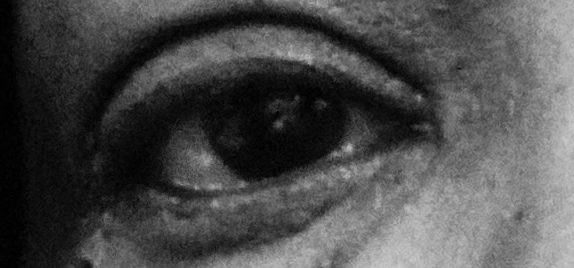
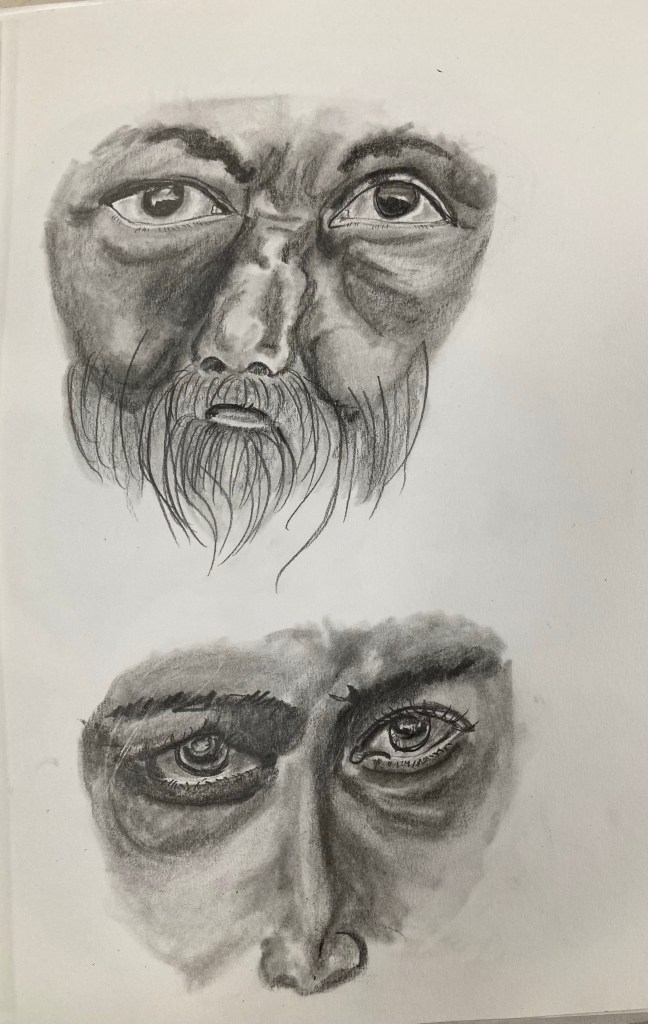
Graphite Eye Pairs


Here is a collection of skulls to draw. All photos are by Robin Tinay Sallie


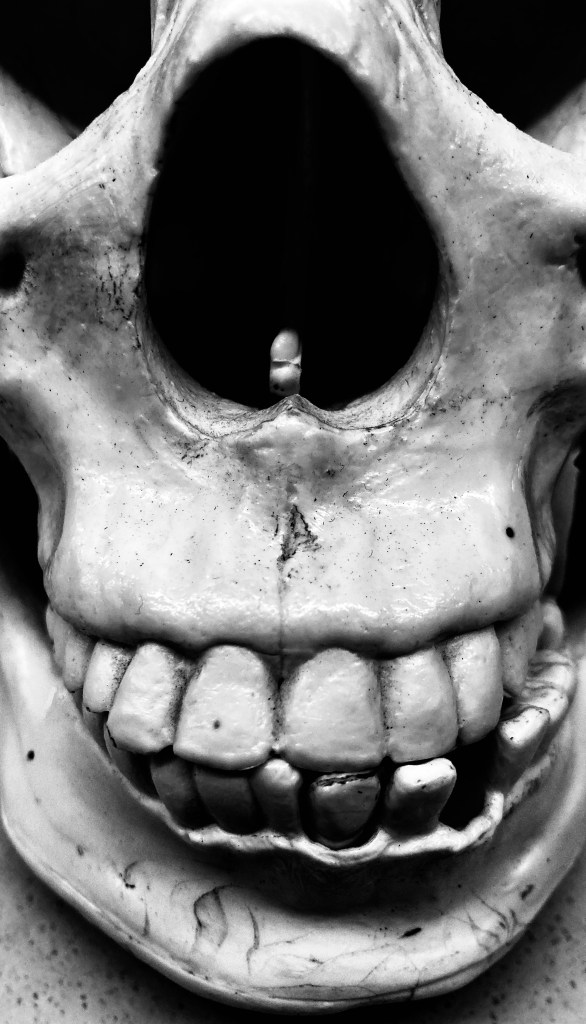


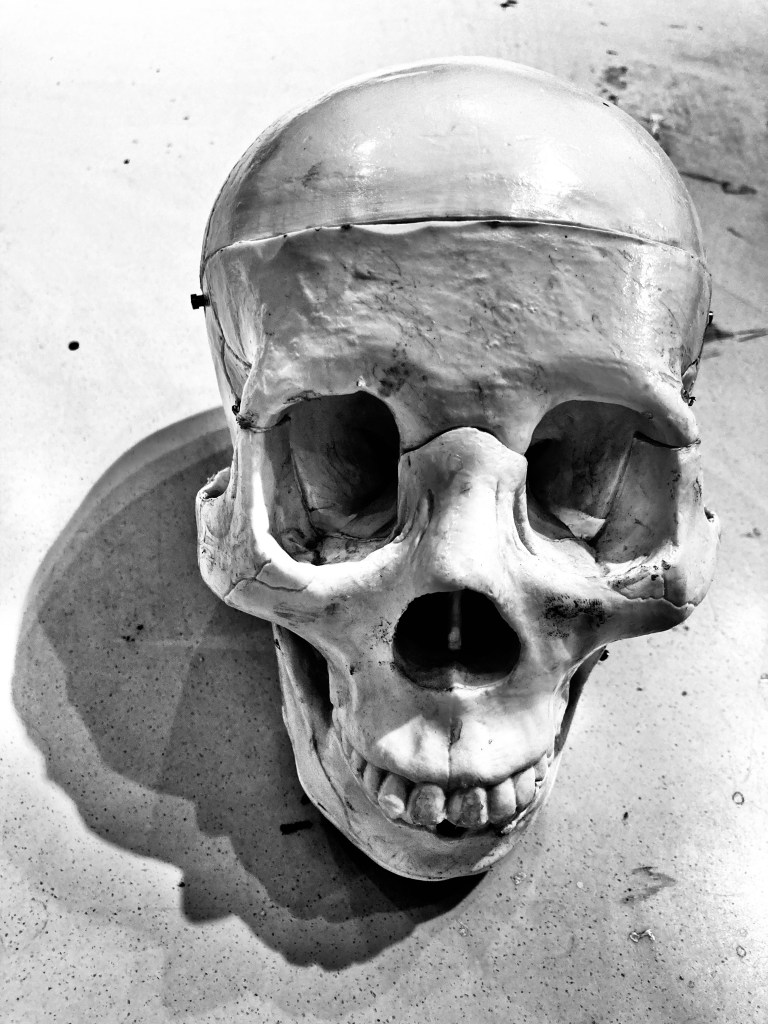


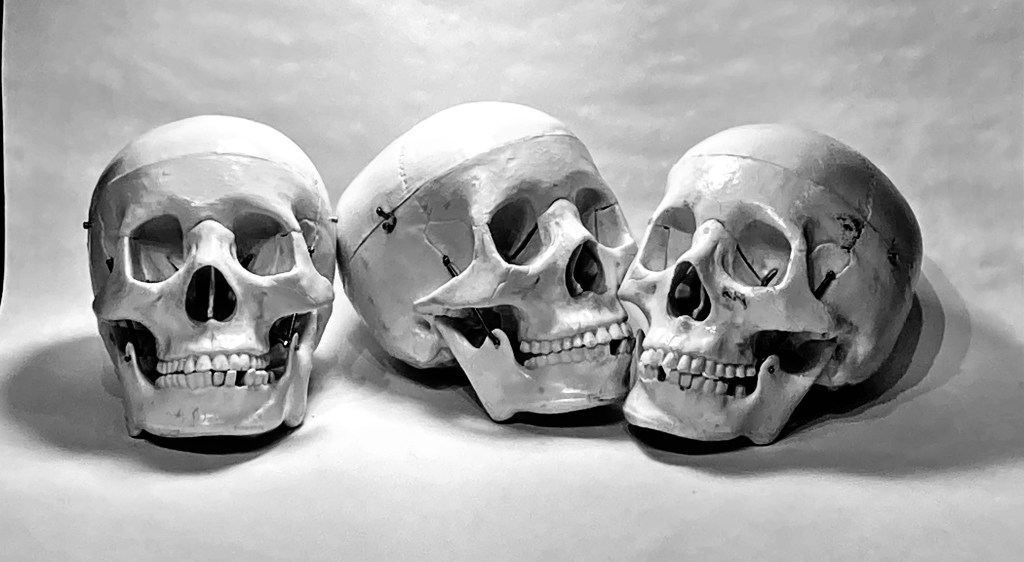
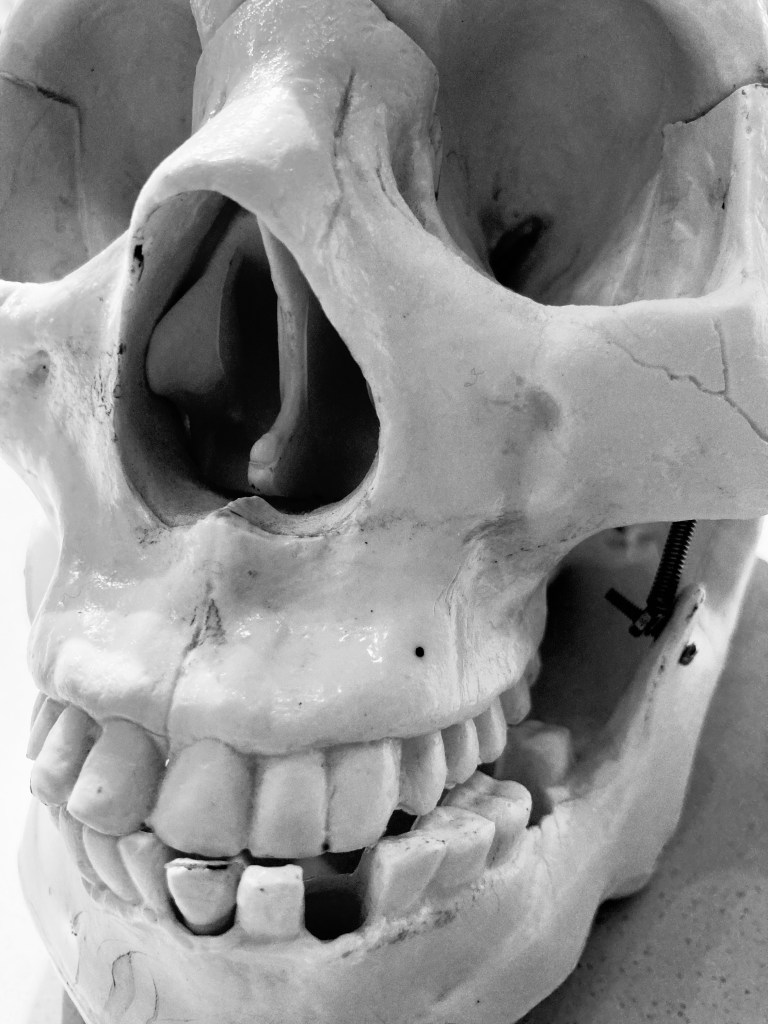
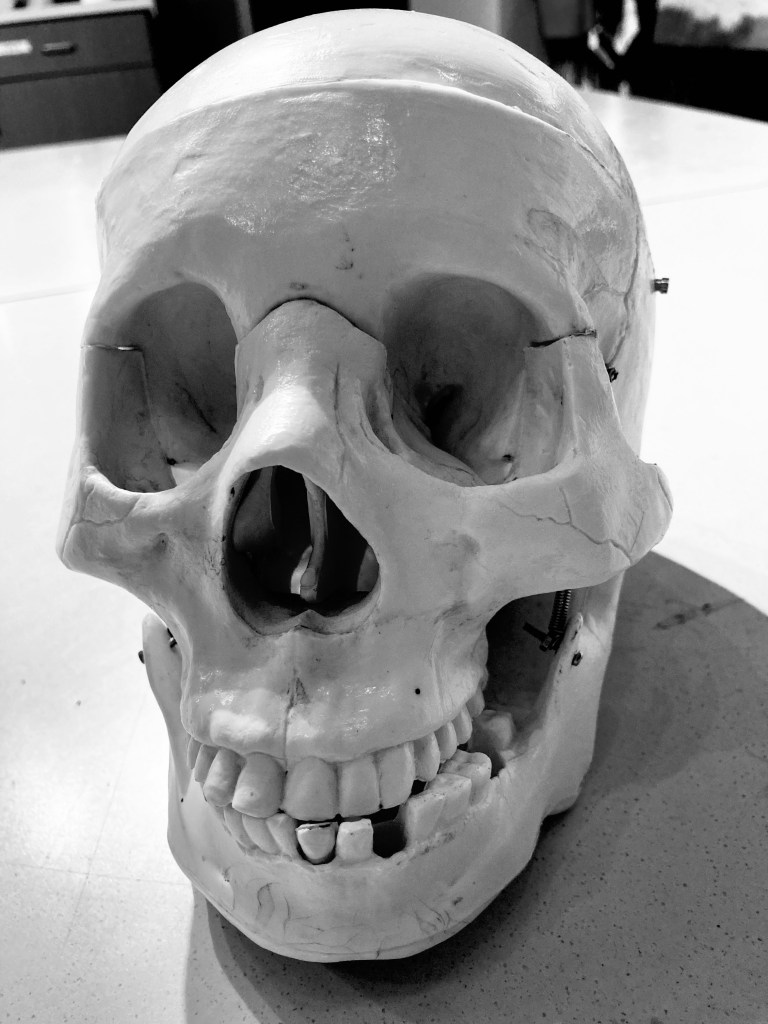
I like charcoal more! These were done with mostly a 6B pencil.

This week I was the substitute teacher for 8th grade Introductory Physical Science. To stretch those young minds and break up the seat work a bit, they were given a challenge to see what they understand about volume.
They could work individually or with partners.
The town of Bumpus had inherited a square lot of land measuring 10 meters on each side. They were planning to construct a water tank on the land.
The select-people were excited because the Botley Steel Company had indicated that they would provide for free a number of pieces of steel which when welded together would measure 30 meters by 10 meters. A local concrete company was also providing the base for the tank.
At the public hearing, select-person Horace proposed that the tank be constructed so that it was a cylinder 30 meters high and 10 meters around.
“This is the best way to do it,” he said, “because the height of the tower will allow it to hold more water than any other way of constructing it.”
Select-person Boris disagreed, saying that if the town built the tank 10 meters high and 30 meters around it would hold more water than if it were built Horace’s way.
Select-person Horace countered with, “Not only are you wrong about the volume of water the tank would hold, but your tank wouldn’t fit on the lot!”
Was Boris or Horace correct? Provide graphic and written evidence to support your answer. Show all math used to answer the question.


Yesterday I lucked upon a book on learning that was so interesting that I read it in one sitting.
Small Teaching: Everyday Lessons from the Science of Learning
by James M. Lang (2016) explains small changes or quick activities that you can incorporate into any course to boost student learning. He breaks down several strategies which are backed up by current research in learning.
Here are my take aways:
Retrieval effect – if you want to retrieve knowledge from your memory, you have to practice retrieving knowledge from your memory. The more times that you practice remembering something the more capable you become of remembering that thing.
Tests measure and improve learning. Mere re-reading does not help retention. Quizzing does. A brief upgraded multiple-choice quiz at the beginning and end of the class and one additional quiz before the exam provides spaced-out retrieval practice and raises grades.
Quizzes with short answer questions require students to formulate answers in their own words and provide a focused restudy.
Ask opening questions “Before we start, can anyone remind me what we talked about last class?”
Begin each class with one student doing a 3-5 minute summary of the previous class and each student does it once each class
Ask students to provide highlights of any advance reading or work completed the night before in a brief writing. Writing involves all students.
Ask closing questions focusing on key concepts you want to students to take away from the class. Remind them to draw the answer from their brain and not their notebook.
Use your syllabus to redirect students to previous course content through quizzes or oral questions and discussions.
Making predictions about material that you wish to learn increases your ability to understand that material and retrieve it later
We remember what we think about.
Interleaving – first- space out learning sessions over time – second- mix up practice of skills that one seeks to develop by spending some time learning one thing and then pausing to concentrate on learning a second thing before having quite mastered that first thing and then returning to the first thing and then moving on to a third thing before returning to the second thing, and so forth.
Addlepated ~ being mixed up : confused : eccentric.
Prat ~ an incompetent, stupid, or foolish person; an idiot. Or a person’s buttocks.
Sisyphean ~ of, relating to, or suggestive of the labors of Sisyphus specifically : requiring continual and often ineffective effortg to a task that can never be completed.
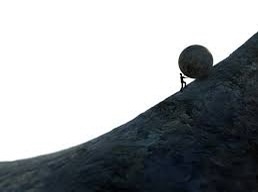
In Greek mythology, Sisyphus was a king who annoyed Zeus with his trickery. As a consequence, he was condemned for eternity to roll a huge rock up a long, steep hill in the underworld, only to watch it roll back down.
Tantalize ~ to tease or torment by offering something desirable but keeping it out of reach. Tantalus was condemned to stand beneath fruit-laden boughs, up to his chin in water. Whenever he bent his head to drink, the water receded, and whenever he reached for the fruit, the branches moved beyond his grasp.
“Perfection is achieved, not when there is nothing more to add, but when there is nothing left to take away.”
— Antoine de Saint-Exupéry
Schacket ~ a hybid halfway between a shirt and a jacket thick enough or light enough to be worn as either
Minimum Effective Dose (MED) ~ the smallest dose that will produce the desired outcome (this is also known as the “minimum effective load.” Anything beyond the minimum effective dose is a waste.
Gamification ~ the strategic attempt to enhance systems, services, organizations, and activities in order to create similar experiences to those experienced when playing games in order to motivate and engage users.
Many things (other than the food you eat) can affect your blood sugar (e.g. sleep, stress, exercise, hormones). Blood sugar essentially ‘floats on top’ of the fat in the body so provides an indication of all the fuels in the body.
Soba ~ buckwheat
I need to know more about cyber currencies. https://cryptoguidepro.com/
 Relentless Robin