January 15, 1991 ~ In Board of Education of Oklahoma City Schools v. Dowell, U. S. Supreme Court ended federal desegregation order even though it will cause racial re-segregation of the school system.
Day in the History of Racial Injustice
January 14, 1931 ~ Black residents of Maryville, Missouri, fled the city after a white mob chained a Black man, Raymond Gunn, accused of killing a white teacher to the top of the schoolhouse and burned it down, killing the man without a trial.
Day in the History of Racial Injustice
January 13, 1957 ~ In Montgomery, Alabama, the congregations of four Black churches gathered for Sunday services three days after their churches and two homes were bombed.
Day in the History of Racial Injustice
January 12, 1896 ~ Mob of 20 sets fire to Jefferson Parish, Louisiana home of Patrick (white) and Charlotte (Black) Morris, who were burned to death; their son, Patrick Morris Jr., escape with his life.
Middle School Advisory
One of the things that I promised myself is that I would finish the stack of digital stories that I started yet did not complete in 2021. This is the second.
I spent about 10 minutes in a classroom at the Rivers School in Weston, Massachusetts, during a Middle School Advisory meeting.
I need to work on my audio recording. The video was recorded on an Iphone SE (2020) without a microphone and the editing is rough. The voice over was done with a lapel microphone in a large, empty classroom using an IPad Air running the Voice Memos application. I turned off the air cleaning system but you still hear the heating system blowing in the voice over background. I was wearing two KN95 masks stacked over my mouth and nose.
Day in the History of Racial Injustice
January 11, 1960 ~ Georgia Governor Ernest Vandiver Jr. threatened to withhold state funding from any public school that attempted to integrate Black and white students.
The Other Black Girl
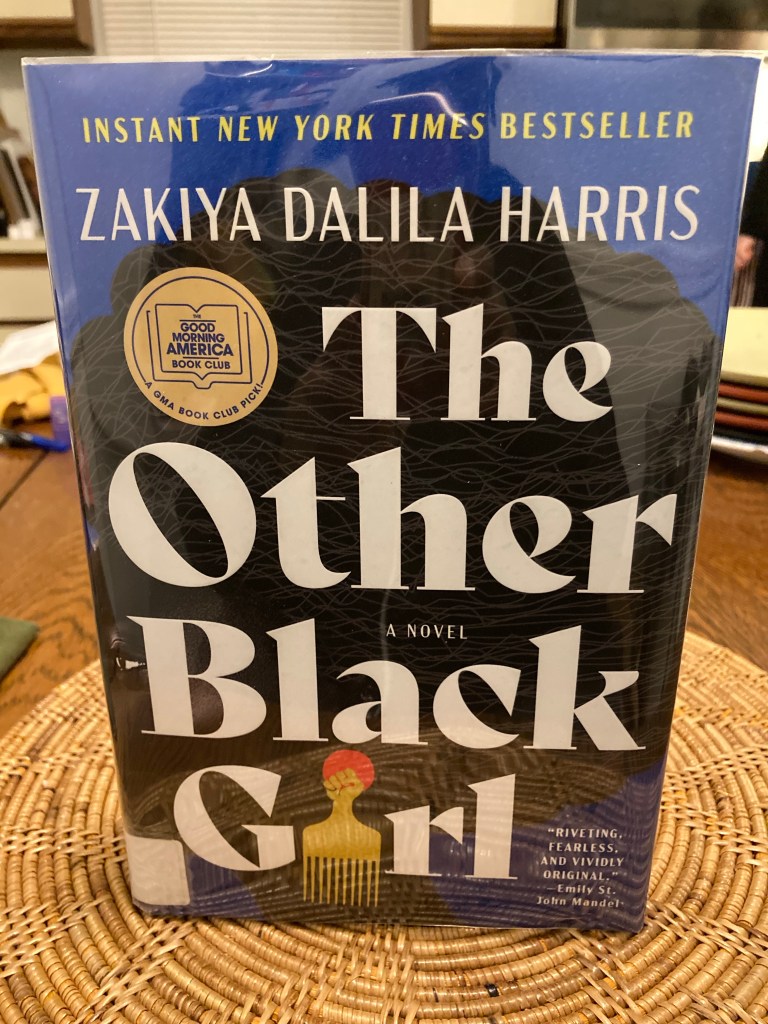
I read this book to assess its suitability as a 2022 summer reading selection for grades 9 through 12 at The Rivers School in Weston, Massachusett.
My conclusion is that high school students will not yet have the life experience and frame of reference to understand the racism and microaggressions that Black women face in the workplace. When people’s biases against marginalized groups reveal themselves in a way that leaves their victims feeling uncomfortable or insulted, that is a microaggression.
The book spoke to the parts of me have been damaged by 40 years in corporate America: I’m consistently one of very few black women in the room pushing against barriers at the intersection of race and gender.
Black history is Black horror.
Tananarive Due, Horror Noire: A History of Black Horror
These are my notes.
Nella’s boss when Nella asked for a promotion: “I wish you’d put half the effort you put into thoses extracurricular diversity meetings into working on the core requirements.”
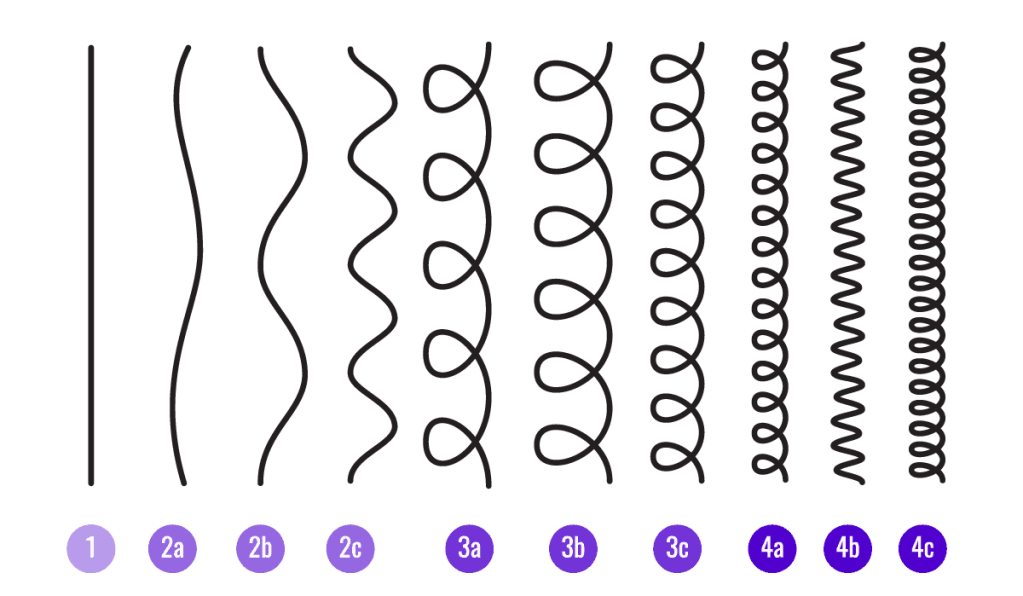
Repeating theme: Brown Buttah. Coco butter. Hair grease. Hair types. Natural hair. Not knowing how to do black hair. Relaxed hair. Braids. Scarves. Hair salons. Twisting. “The Kitchen.” Hair Therapist. Hair wraps. Bonnets.
“In her 2021 debut novel, The Other Black Girl, Zakiya Dalila Harris examines racism, microaggression, and tokenism through the lens of the optics-obsessed publishing industry. Harris, who previously worked as an assistant editor at Penguin Random House, brings firsthand knowledge and mindful skepticism to a contemporary psychological horror novel about the industry she knows inside and out.”
Nella Rogers is the only Black employee of a publishing house. When Hazel-May McCall, another Black woman, is hired by the company, Rogers initially believes the woman will be an ally.
Listicle ~ a piece of writing or other content presented wholly or partly in the form of a list.
“You may think they are okay with you, and they will make you think that they are. But they really aren’t. They never will be. Your presence only makes them fear their own absence.”
Of Jesse Walton’s words about being seen as an equal to white colleagues
“Simon Legree” ~ A brutal taskmaster after a cruel slave dealer in the novel Uncle Tom’s Cabin by Harriet Beecher Stowe
The Act of Editing: sliding words and paragraphs around in a game of literary Tetris.
Ombré is the blending of one color hue to another, usually moving tints and shades from light to dark.
NYC Financial District ~ “a frigid, bloodless neighborhood that held one of the country’s biggest slave markets, once upon a time.”
Parallels to real life:
- characters of color are “en vogue”
- calling out anything that lacks proper representation
- ONE black person at the job (maybe 2)
- diversity meetings as an extracurricular
- diversity is just an item “to check off a list and nothing more – a shallow, shadowy thing with but one dimension”
- Question after every slight: “Do we think it is a race thing?”
- The Black Female Experience is universal
- 9 to 5 world severe hierarchy, homogeneity, and rigidity
- You gotta be twice as good, remember?
- code-switching
- systematic inequality (when the fabric of organizations, institutions, governments or social networks contains an embedded bias which provides advantages for some members and marginalizes or produces disadvantages for other members.)
- One of the good ones – most dangerous phase in English language
- Do you risk your job by telling white people they are making a mistake? “If white people couldn’t navigate political correct waters on their own, that was their own problem.”
- Going to a historically black college blessed students with the ability to forget white people existed, if only for a little while.
- Nobody looks for missing little black girls.
- “The fact that you are black colors every single thing anyone ever says to you ~ pun intended…Whether they admit it or not.”

Zakiya Dalila Harris Always Knew the Ending for The Other Black Girl.
In the final act of the book, Hazel confesses that she’s part of a national organization dedicated to targeting successful, smart Black creatives and brainwashing them into being more palatable and less “threatening” to their white coworkers.
Book Club Questions
- Why do you think the author set this novel in the book publishing industry? How would the story unfold in another setting? How would it be similar or different?
- Nella is the only black person in an all-white environment. What are some of the micoaggressions she dealt with on a daily basis?
- Why do you think the author wanted to highlight how Black women feel competitive toward one another in white corporate America? How do you think people feel when they are the only person of color at work? Why might people of color feel competitive in white work spaces?
- What does this book say about code-switching and selling out? What, if anything, separates the two? What are examples of code-switching?
- A passage toward the beginning of the book says “diversity becomes an item people start checking off a list and nothing more, a shallow, shadowy thing with but one dimension.” What are your thoughts on this?
Zakiya Dalila Harris spent nearly three years in editorial at Knopf/Doubleday before leaving to write her debut novel The Other Black Girl. Prior to working in publishing, Zakiya received her MFA in creative writing from The New School.
A Day in the Life of a Substitute Teacher
8:30 AM: A Block Foundations of Sculpture
Art Around the Sculpture Room


Loves in Flowers
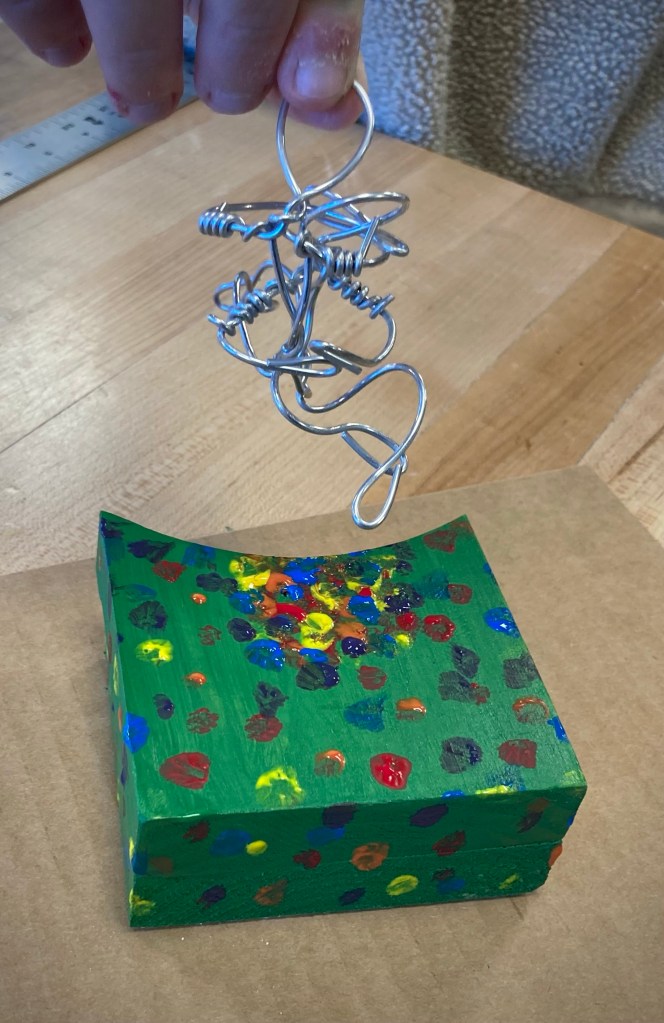
People Pile
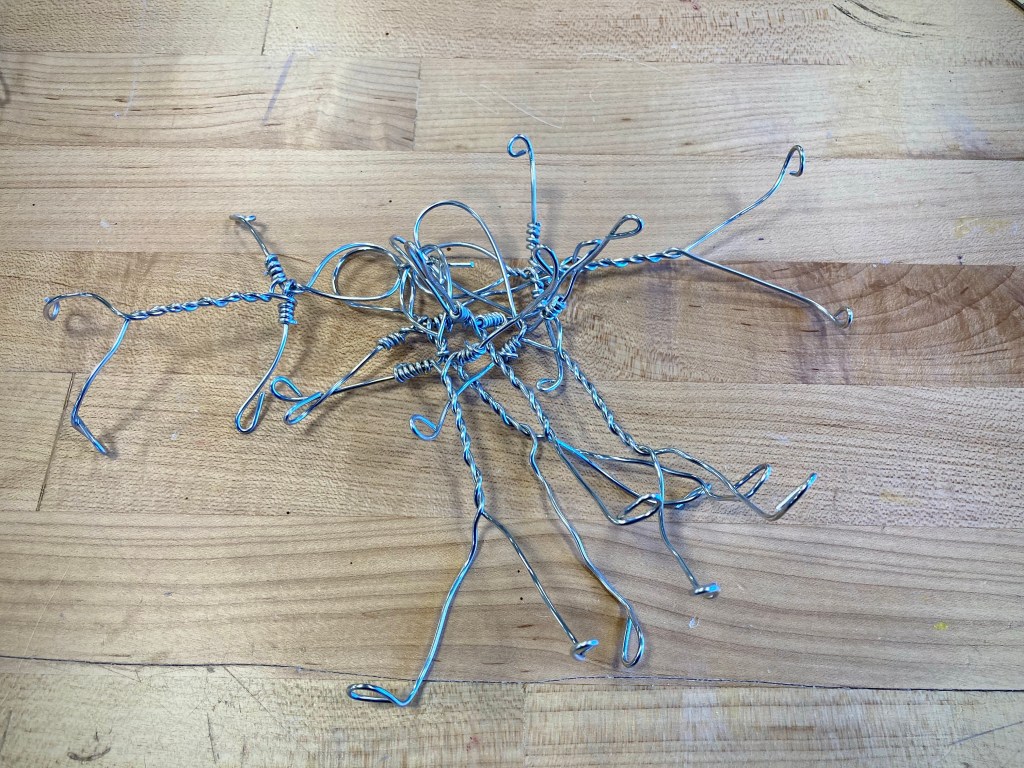

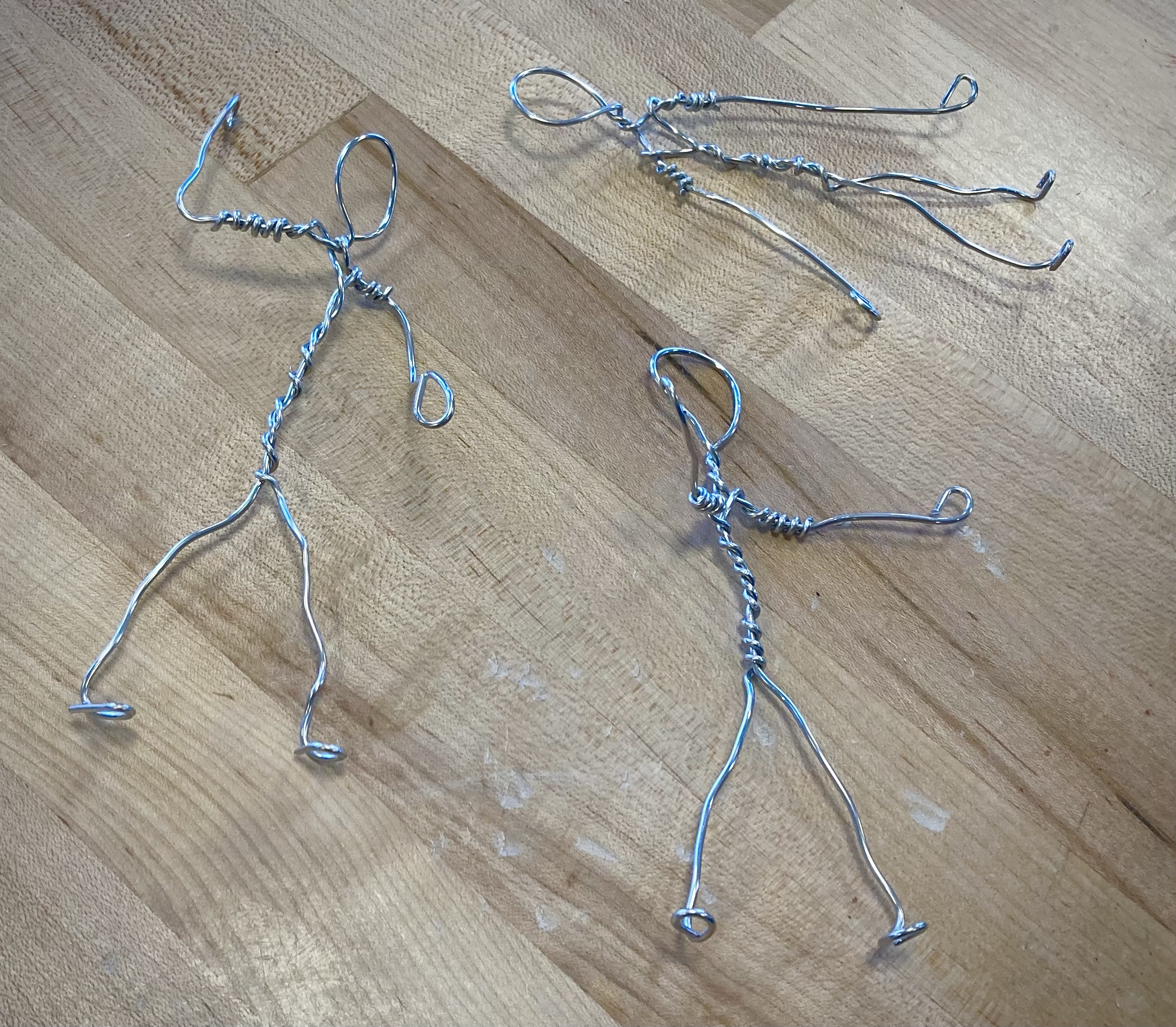
The students worked on Wire Sculptures ooking for clear gesture and good craftsmanship.
9:20 AM: B Block Advanced Art
Refections of Birds


A student paints on a mirror. Birds are connected to memories she has of her grandmother.
Friends and Faces


A student photographs a classmate next to the portrait she did of her. The collection on the wall was completed by the photographer. Her project is to complete a study of each of her classmates.
Hat Trick


A student zooms with her teacher to get advice on her project. She is working with imagery of people with hats.
More Advanced Art
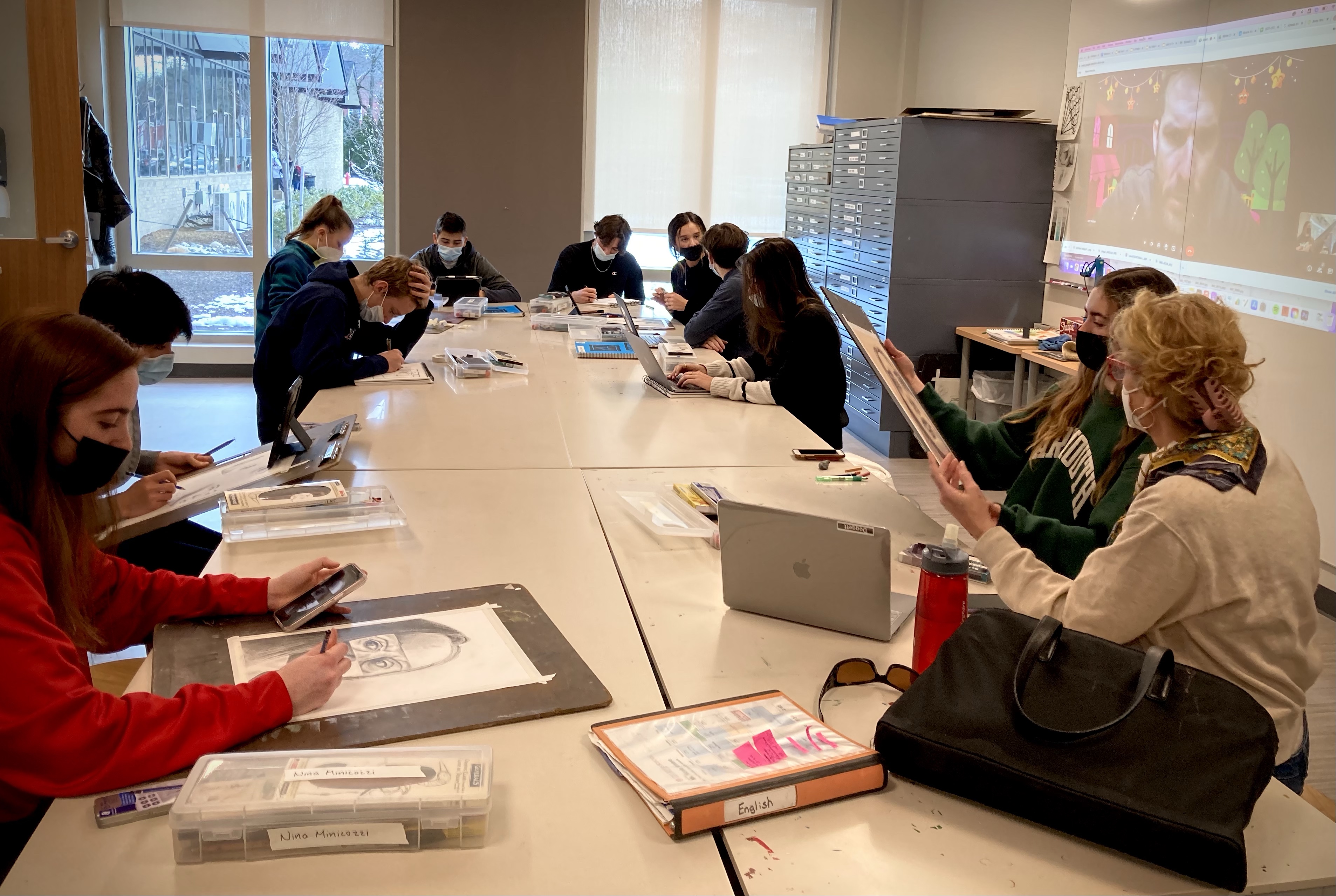


10AM Advisory
The students attend a zoom presentation on intersectionality and the role of Black women in Civil Rights.
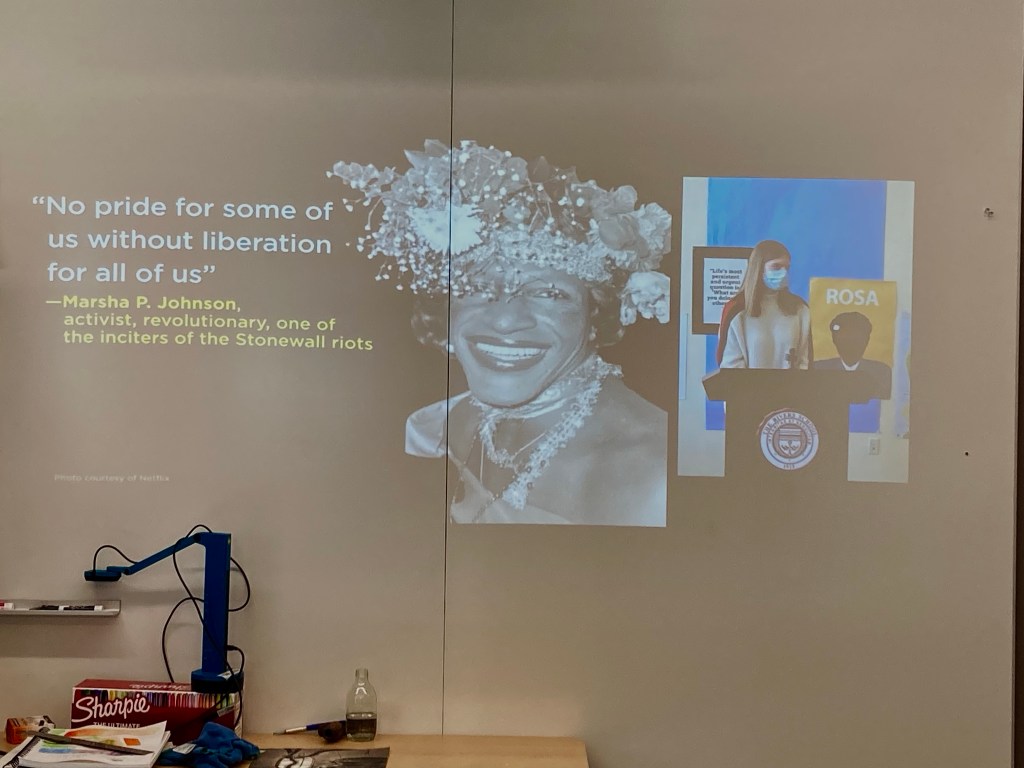

12 pm Lunch

1:20 pm Advance PreCalulus


Students revise their mid term exam.
Day in the History of Racial Injustice
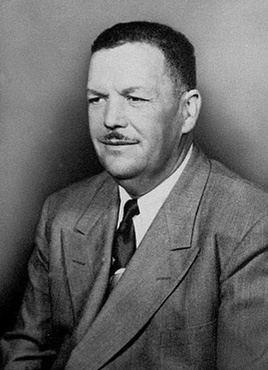
January 10, 1966 ~Vernon Dahmer, black business person and voting rights activist, died after his home in Hattiesburg, Mississippi, was firebombed.
Self portrait Sunday
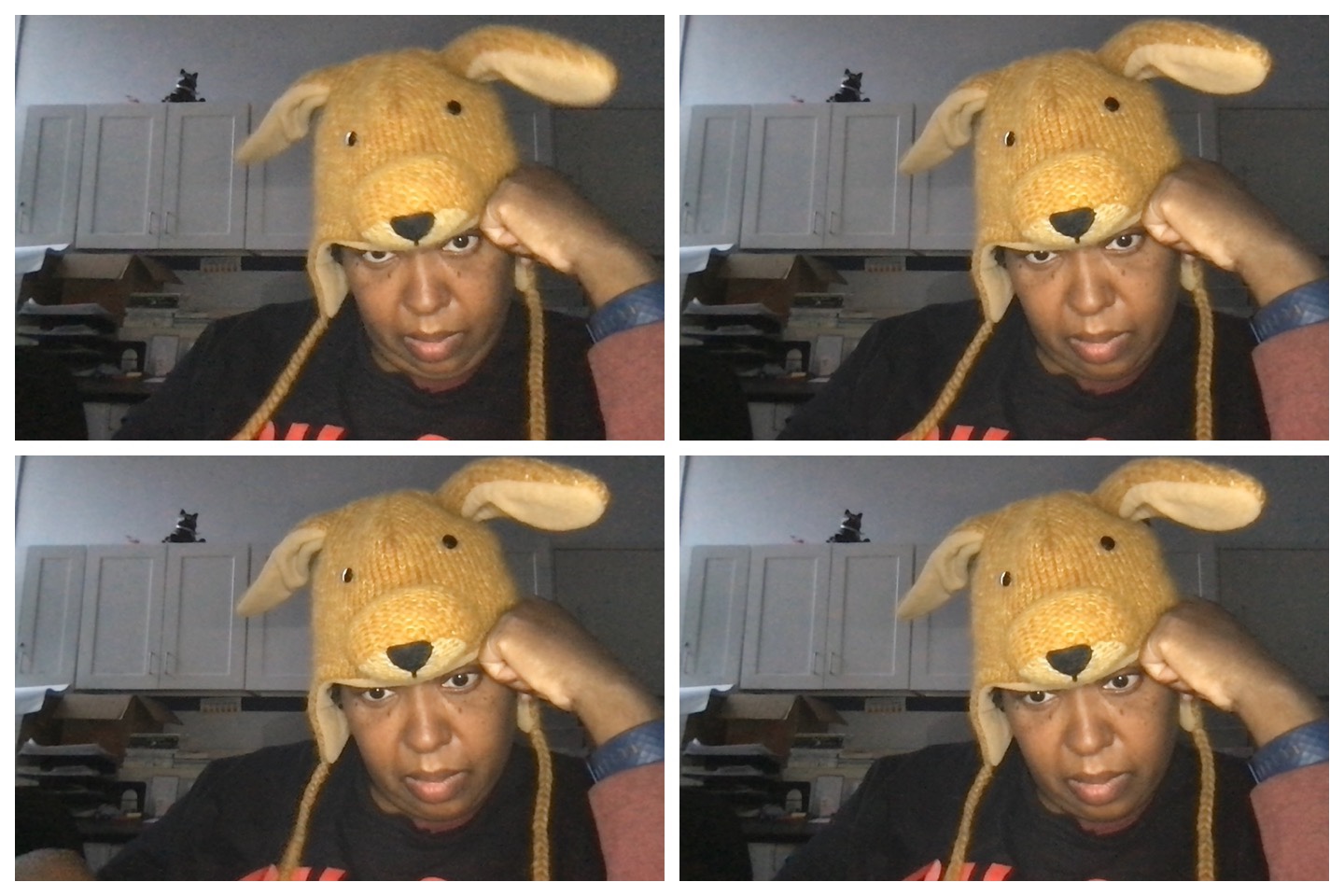


 Relentless Robin
