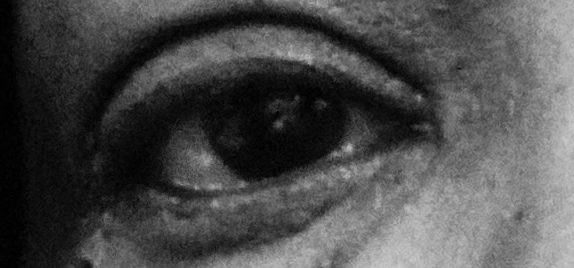
Society defines and confines each of us in a multitude of ways, and to varying degrees, based solely on the facets of our most readily perceived characteristics—race, gender, age, class, sexuality, ability, occupation.We, too, often define and confine ourselves in accordance with this pigeonholing.
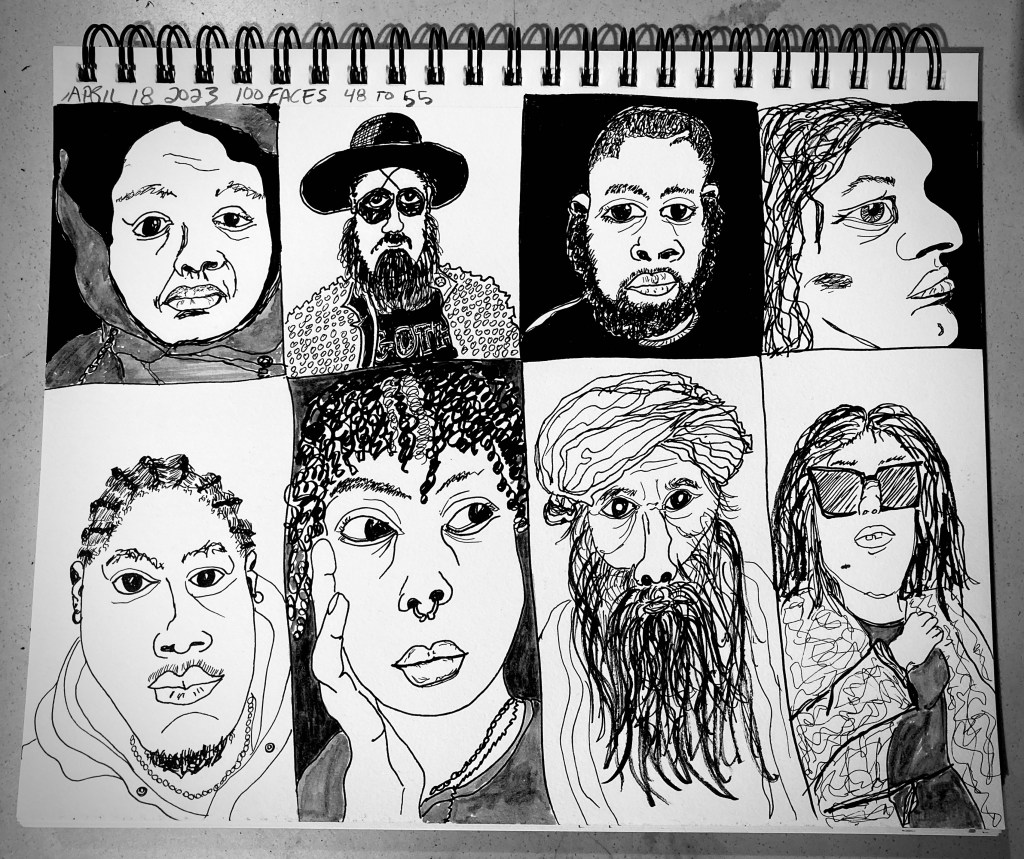
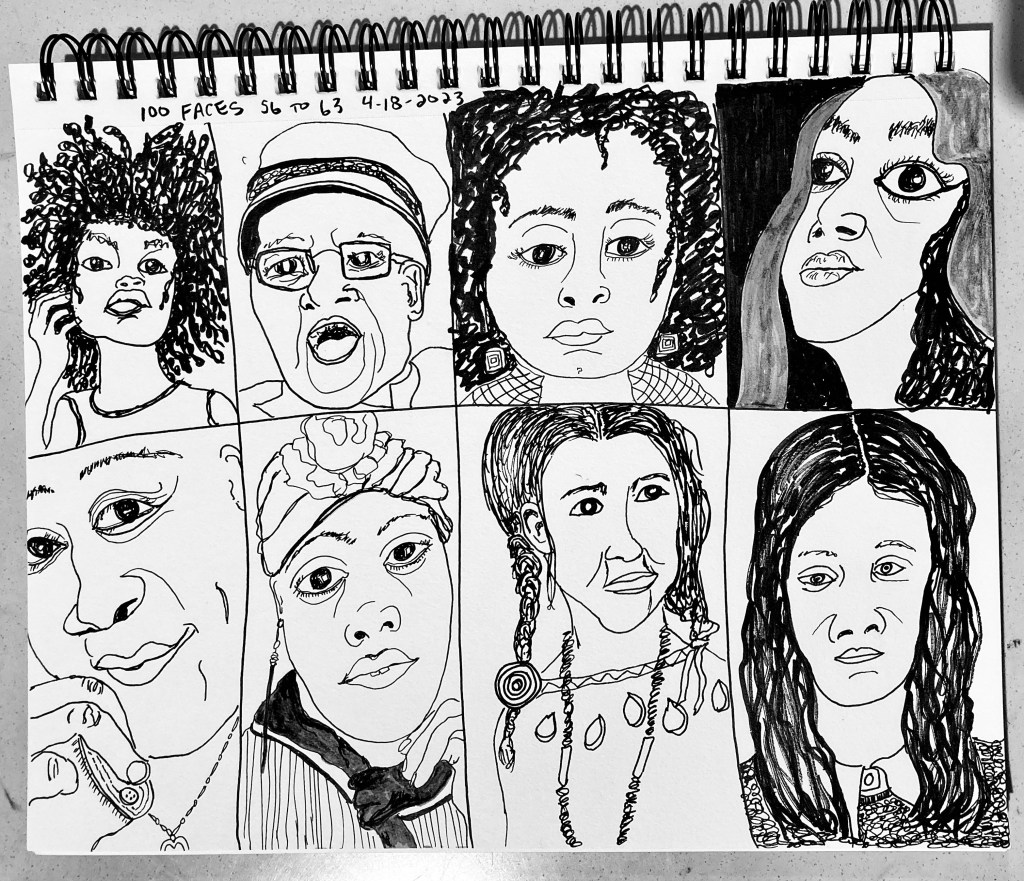
Throughout most of my adult life—as a black, fat, queer, working-class, first-generation college graduate, now an artist and educator —I’d struggled to escape my own theoretical limitations, which, by necessity, required the fierce and relentless invention of individuality.

Gilts ~ female pigs that haven’t had piglets yet
Afforestt ~ convert (land) into forest, especially for commercial use. Early 16th century: from medieval Latin afforestare, from ad- ‘to’ (expressing change) + foresta ‘forest’.
depanneur; plural noun: depanneurs (especially in Quebec) a convenience store. Canadian French dépanneur, from French (in the sense ‘mechanic, repairman’) (the Canadian French sense apparently deriving from the idea that last-minute or emergency purchases can be made from such a store).
To laugh often and much; to win the respect of the intelligent people and the affection of children; to earn the appreciation of honest critics and endure the betrayal of false friends; to appreciate beauty; to find the beauty in others; to leave the world a bit better whether by a healthy child, a garden patch, or a redeemed social condition; to know that one life has breathed easier because you lived here. This is to have succeeded.
Ralph Waldo Emerson (May 25, 1803 – April 27, 1882)
Dalit – plural noun: Dalits – (in the traditional Indian caste system) a member of the lowest caste. The term Dalit, which has replaced untouchable, can have negative connotations: its literal meaning is “oppressed; broken.” The Indian courts and government instead use the terms Scheduled Caste and Scheduled Tribe. Descendants of enslaved people or prisoners. Because they are considered impure from birth, Untouchables perform jobs that are traditionally considered “unclean” or exceedingly menial, and for very little pay. One million Dalits work as manual scavengers, cleaning latrines and sewers by hand and clearing away dead animals. The Scheduled Castes (SCs) and Scheduled Tribes (STs) are officially designated groups of people and among the most disadvantaged socio-economic groups in India. The terms are recognized in the Constitution of India and the groups are designated in one or other of the categories. Dalit children are particularly more vulnerable. They are at risk for child labor and child slavery as they are born into marginalization. Young Dalit girls suffer systematic sexual abuse in temples, serving as prostitutes for men from the dominant caste. Dalits are often limited from equal political participation. India’s caste system was officially abolished in 1950, but the 2,000-year-old social hierarchy imposed on people by birth still exists in many aspects of life. The caste system categorizes Hindus at birth, defining their place in society, what jobs they can do and who they can marry. In India there are approximately 240 million Dalits. This means that nearly 25% of the population is Dalit. It also means that in a country, where everybody is supposed to have equal rights and opportunities, 1 out of 5 persons is condemned to be untouchable. They often do not have the facility to electricity, sanitation facilities or water pumps in lower caste neighbourhoods. Access to better education, housing and medical facilities than that of the higher castes is denied. While Dalit women share common problems of gender discrimination with their high caste counterparts, they also suffer from problems specific to them. Dalit women are the worst affected and suffer the three forms oppression — caste, class and gender. Dalits are severely disadvantaged when it comes to education. In fact, only 10-20% of Dalits can read or write and only 2-3% of Dalit women are literate. With over 50% of the general Indian population being illiterate, the education disparity between Dalits and other castes is apparent. Dalits are routinely attacked for what upper-caste groups see as acts of assertion and equality, including entering temples, sporting mustaches and riding a decorated wedding horse.
Sanskrit – the language of ancient Hindu scriptures.
Caste – birth-based hierarchy.
“Show up. Over and over and over
– Keri Mitchell
again. Show up at run-of-the-mill
meetings and celebratory
community gatherings so that
people don’t just associate you
with crises and chaos.”

Lenticular 1 : having the shape of a double-convex lens; shaped like a lentil, especially by being biconvex. 2 : of or relating to a lens. 3 : provided with or utilizing lenticules.
Is it tomorrow or just the end of time?
Jimi Hendrix, “Purple Haze,” Are You Experienced?
SITS—shelter, income, transportation, and social contact – basic like needs.
Uxoricide – wife murder

Artificial Intelligence (AI) – the capability of a machine to imitate intelligent human behavior
Generative AI – a branch of AI capable of generating new and original content, such as images, videos, music, or text
Machine Learning (ML) – development of algorithms that can access data, analyze patterns, and make predictions or take actions based on the analysis, allowing computers to learn and adapt w/o explicit instructions
Large Language Model (LLM) – AI systems that learn from massive amounts of text data and can produce meaningful responses, answer questions, and have natural conversations with people, ex. ChatGPT
Computer Vision – a field of AI that enables computers to analyze, interpret, and understand visual data to perform tasks like object detection, image recognition, and facial recognition.
Virtual reality (VR), the use of computer modeling and simulation that enables a person to interact with an artificial three-dimensional (3-D) visual or other sensory environment. VR applications immerse the user in a computer-generated environment that simulates reality through the use of interactive devices, which send and receive information and are worn as goggles, headsets, gloves, or body suits.
Augmented reality (AR) is the result of using technology to superimpose information — sounds, images and text — on the world we see.









 Relentless Robin