


February 20, 1956 ~ Arrest warrants based on a 34-year-old anti-boycott statute were issued for 89 people in the Montgomery Bus Boycott.
February 20, 1956 ~ Arrest warrants based on a 34-year-old anti-boycott statute were issued for 89 people in the Montgomery Bus Boycott.
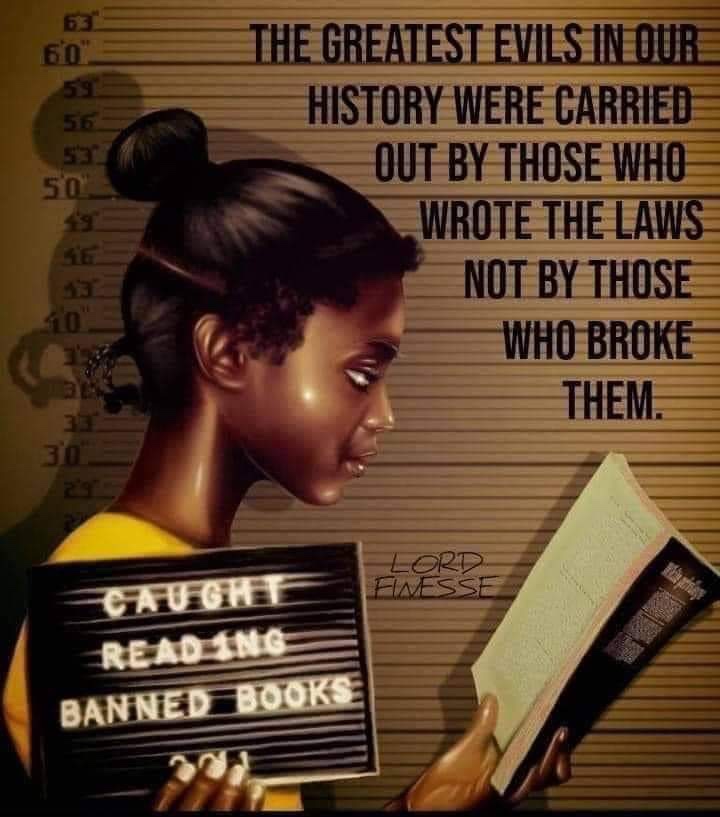
“Our system isn’t broken — it’s designed to do what it’s doing: produce measurable inequity.” [Gary Chambers, a candidate for the US Senate representing Louisiana, in his latest campaign video, “Scars and Bars,” in which he discusses the cruel and destructive legacy of the Confederacy and burns a Confederate flag]
I am the American heartbreak—
The rock on which Freedom
Stumped it’s toe—
The great mistake
That Jamestown made
Long ago.
— Langston Hughes, “American Heartbreak: 1618
“Historical monuments are, among other things, an expression of power ~ an indication of who has the power to choose how history is remembered in public places,” Eric Foner.

The Convention made compromises about slavery. Southern states wanted slaves included in their population count, since it would mean more representation in the House of Representatives. Delegates agreed after a lengthy debate to let the Southern states count three-fifths, or three out of every five of the slaves. This is now known as the Three-Fifths Compromise. Delegates also agreed to outlaw the slave trade in 20 years.
Bill of Rights
sine qua non – essential thing (southern slavery)
Homework 1: Read the following article about the Constitution and slavery. Be sure that you understand the points it makes concerning whether the Constitution was a pro-slavery document.
Slavery and the Constitution reading notes:
Slaves imported into and held as property all of the American colonies for more than a century.
Slavery persisted despite the Revolutionary War and ratification of the Constitution
Most of the signers of the Declaration and the Constitution owned slaves
Number of slaves steadily grew through natural increase (birth) and slave imports from abroad.
Northern and southern sections of the new nation to the west fought over slavery,
Congress compromises on slavery until it could no longer be ignored.
Founders knew slavery
violated the “self-evident truth” of the Declaration
lied about the promise of equality in the Declaration of Independence
was immoral
had racial superiority theories sought to protect slavery and its expansion
1848, Senator John Calhoun argued that the natural rights language in the Declaration of Independence was “dangerous” and “erroneous,” and doubted that men were created equal.
Previously, Calhoun had asserted that, “The relation now existing in the slaveholding States between the two [races], is, instead of an evil, a good—a positive good” (John C. Calhoun, “Slavery A Positive Good,” February 6, 1837).
Stephen Douglas, did not take a stance on whether slavery was good or bad and wanted to let the people decide whether or not to own slaves. Douglas was challenging Abraham Lincoln in 1858 for a Senate seat from Illinois when he argued, “Our government can endure forever, divided into free and slave States as our fathers made it” (Stephen Douglas, Seventh Joint Debate at Alton, “Mr. Douglas’ Opening Speech,” October 15, 1858).
popular sovereignty – the idea that all authority ultimately resides in the people
In his “Corner Stone” speech of 1861, Alexander Stephens, the Vice-President of the Confederacy, argued that most of the Founding Fathers believed that slavery was a “violation of the laws of nature; that it was wrong in principle, socially, morally, and politically.” However, it was an “evil they knew not well how to deal with.” They believed that it would “be evanescent and pass away” in time. Those ideas were fundamentally wrong, Stephens argued, because they “rested upon the assumption of the equality of the races” (Alexander Stephens, “Corner Stone Speech,” March 21, 1861).
John Adams wrote, “Every measure of prudence, therefore, ought to be assumed for the eventual total extirpation of slavery from the United States…I have, through my whole life, held the practice of slavery in …abhorrence.” (James Madison to Robert J. Evans, June 8, 1819)
The colonizers compromised with slavery because they sought to achieve their highest goal of a stronger Union of republican self-government.
Some threatened to walk out if slavery was threatened. They kept the institution of slavery but built a path to slavery’s ultimate extinction.
Notes from the optional reading:

federalism~ a system of government in which entities such as states or provinces share power with a national government.
pluralist democracy~ the view that politics and decision-making are located mostly in the framework of government, but that many non-governmental groups use their resources to exert influence.
participatory democracy~a model of democracy in which citizens are provided power to make political decisions.
elite democracy~ The theory posits that a small minority, consisting of members of the economic elite and policy-planning networks, holds the most power—and that this power is independent of democratic elections.
Homework 2: Watch the video at the link below and answer these questions:
https://www.c-span.org/classroom/document/?8562
Notes:
A compromise was negotiated wherein the slave trade would not be banned for twenty years, but could be taxed. Article 1, Section 9, Clause 1 of the final Constitution read “The Migration or Importation of such Persons as any of the States now existing shall think proper to admit, shall not be prohibited by the Congress prior to the Year one thousand eight hundred and eight, but a Tax or duty may be imposed on such Importation, not exceeding ten dollars for each Person.” In March 1807, Congress passed an act to “prohibit the importation of slaves into any port or place within the jurisdiction of the United States…from any foreign kingdom, place, or country” that took effect January 1, 1808.
They created a committee with one person from each colony.
Madison wanted the slave trade to end immediately but proposed 1800 new millennium new birth of freedom.
The South Carolinian rep said 1808.
Notes from the weeks reading: (I missed class every day this week and I am not happy about that! My goal is to make at least 1 per week. Hanging out with the right students and the two professors is everything. )
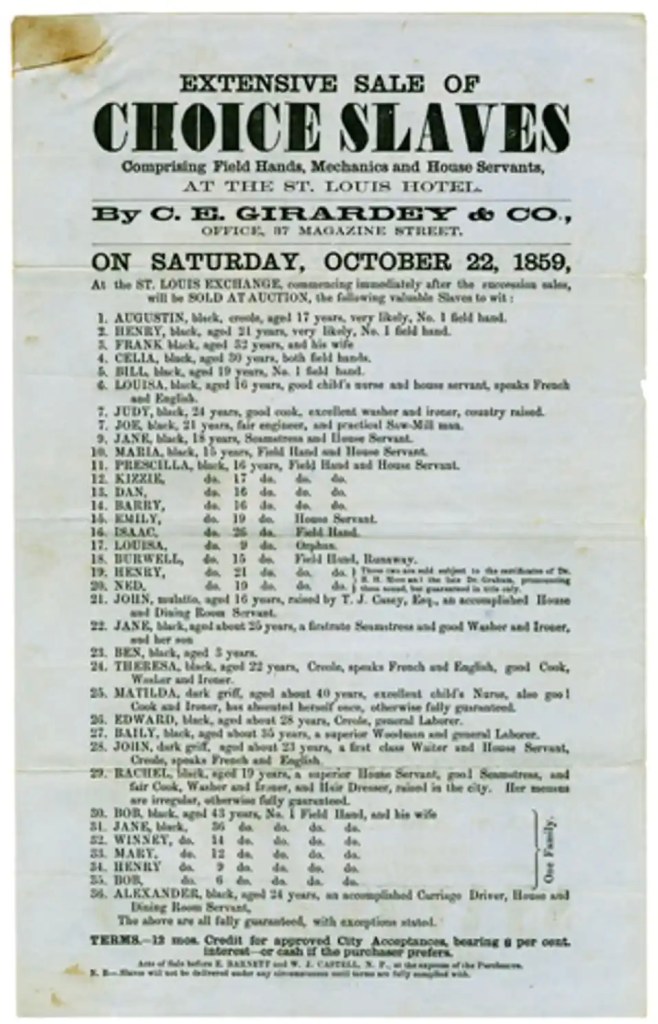
The whitewashing of Black history has historically been used to justify the barbaric behavior that White people inflicted on Black people for centuries.
Slaves were imported into and held as property all of the American colonies for 246 years (1619 as the beginning until 1865 with the 13th Amendment)
The transatlantic slave trade was 1440-1888.
https://www.slavevoyages.org/voyage/database
Africans first arrived in America in the late 16th century not as slaves but as explorers together with Spanish and Portuguese explorers. One of the best known of these African “conquistadors” was Estevancio who traveled throughout the southeast from present day Florida to Texas.
Roughly 25% of all southerners owned slaves.
Middle Passage The middle leg of the triangular slave trade. Took 8-12 weeks to travel from West Africa to the Americas.
Slavery was an extremely diverse economic institution; one that extrapolated unpaid labor out of people in a variety of settings from small single crop farms and plantations to urban universities. This diversity is also reflected in their prices. Enslaved people understood they were treated as commodities.
Slavery persisted despite the Revolutionary War and ratification of the Constitution
Most of the signers of the Declaration and the Constitution owned slaves.
Slavery violated the “self-evident truth” of the Declaration and the promise of equality in the Declaration of Independence.
Founders believed that slavery was good for the inferior slave and the larger society.
The number of slaves steadily grew through natural increase (birth of enslaved babies0 and slave imports from abroad.
Congress continued to put off the controversy through a series of compromises .
The African- Americans “had no rights which the. white man was bound to respect.” Supreme Court Chief Justice Roger B. Taney in the Dred Scott v. Sanford (1857) decision.
No delegates to the Constitutional Convention defended the morality of slavery. The best argument that they could muster on behalf of slavery was protecting their own economic interest.
Middle Passage The middle leg of the triangular slave trade. Took 8-12 weeks to travel from West Africa to the Americas.
African-Americans have been free in this country for less time than they were enslaved. Most Americans are two to three generations removed from slavery. However, former slaveholding families have built their legacies on the institution and generated wealth that African-Americans have not been privy to because enslaved labor was forced; segregation maintained wealth disparities; and overt and covert discrimination limited African-American recovery efforts.
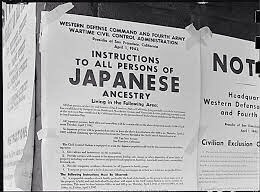
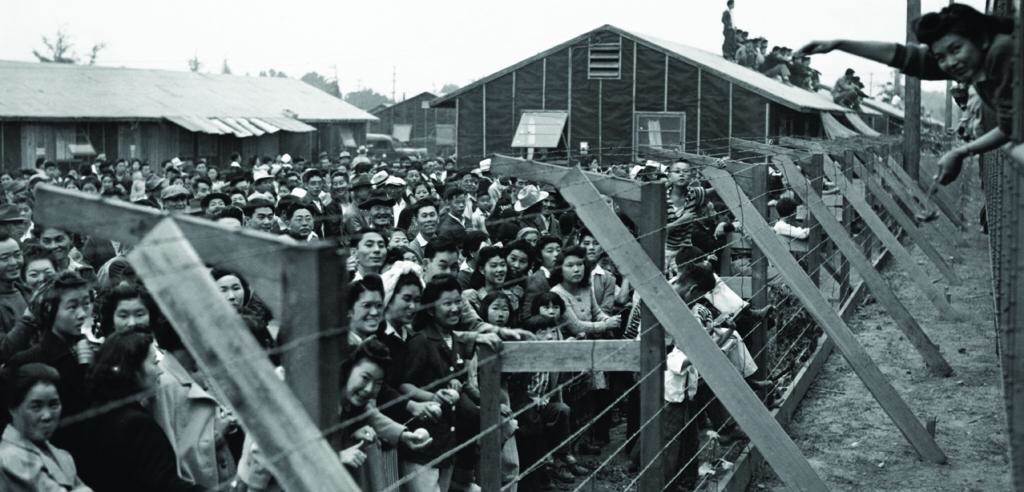
February 19, 1942 ~ President Franklin Roosevelt signed Executive Order 9066, leading to the forced internment of 120,000 men, women, and children of Japanese ancestry who lived in the western United States.
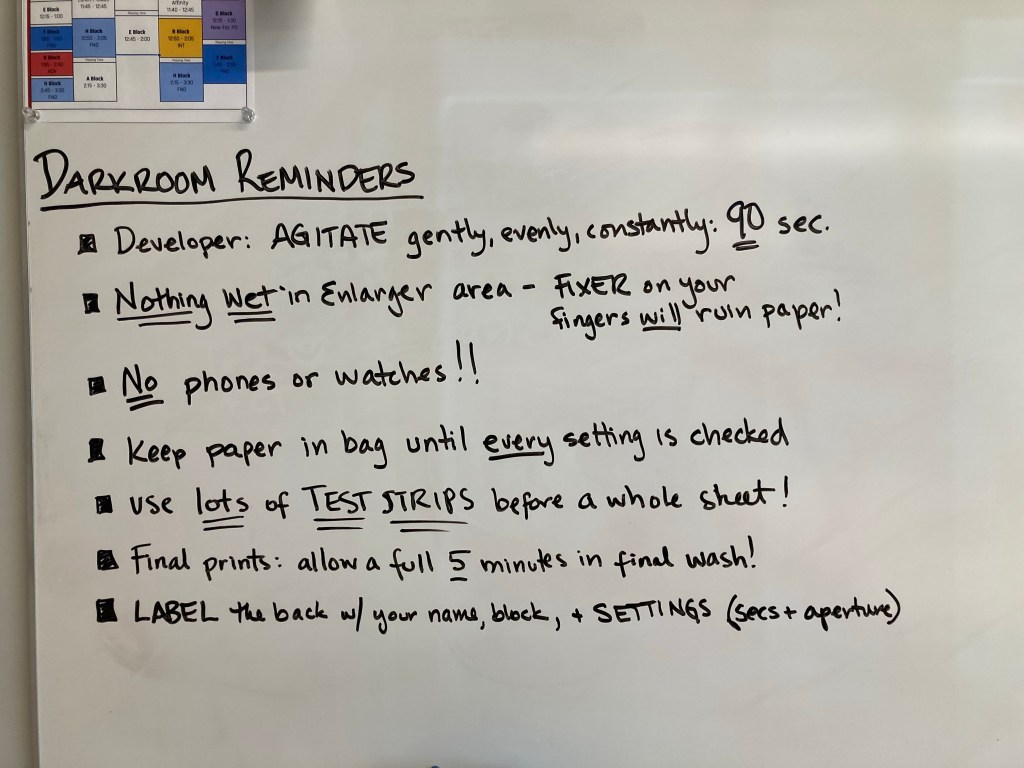
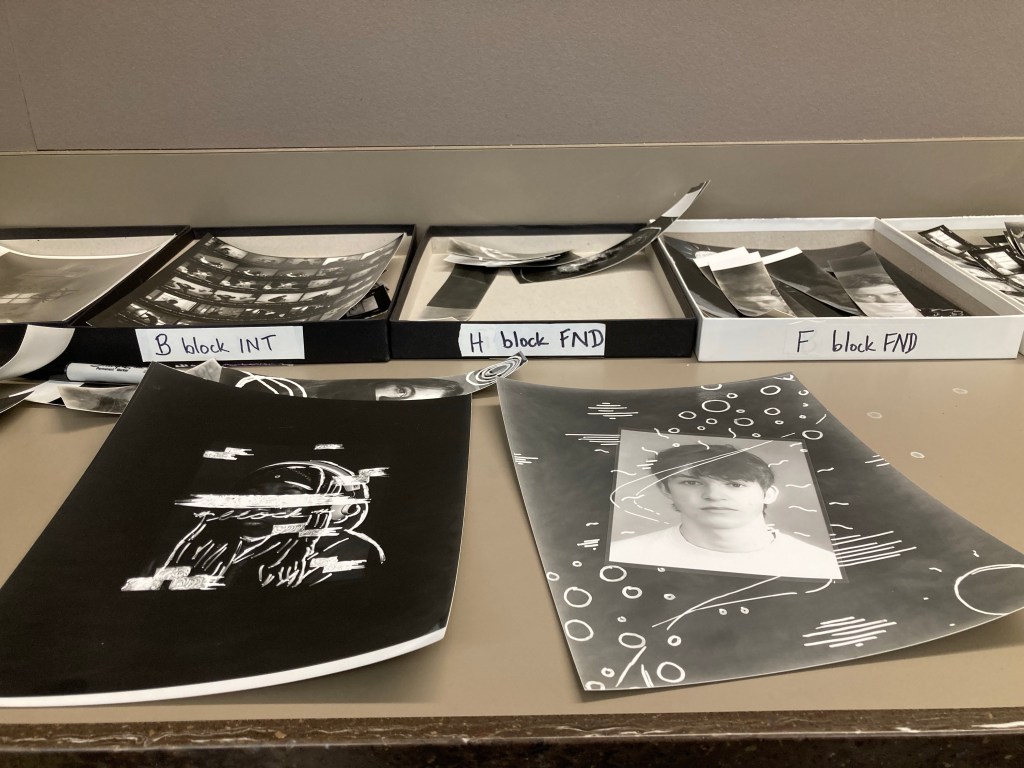
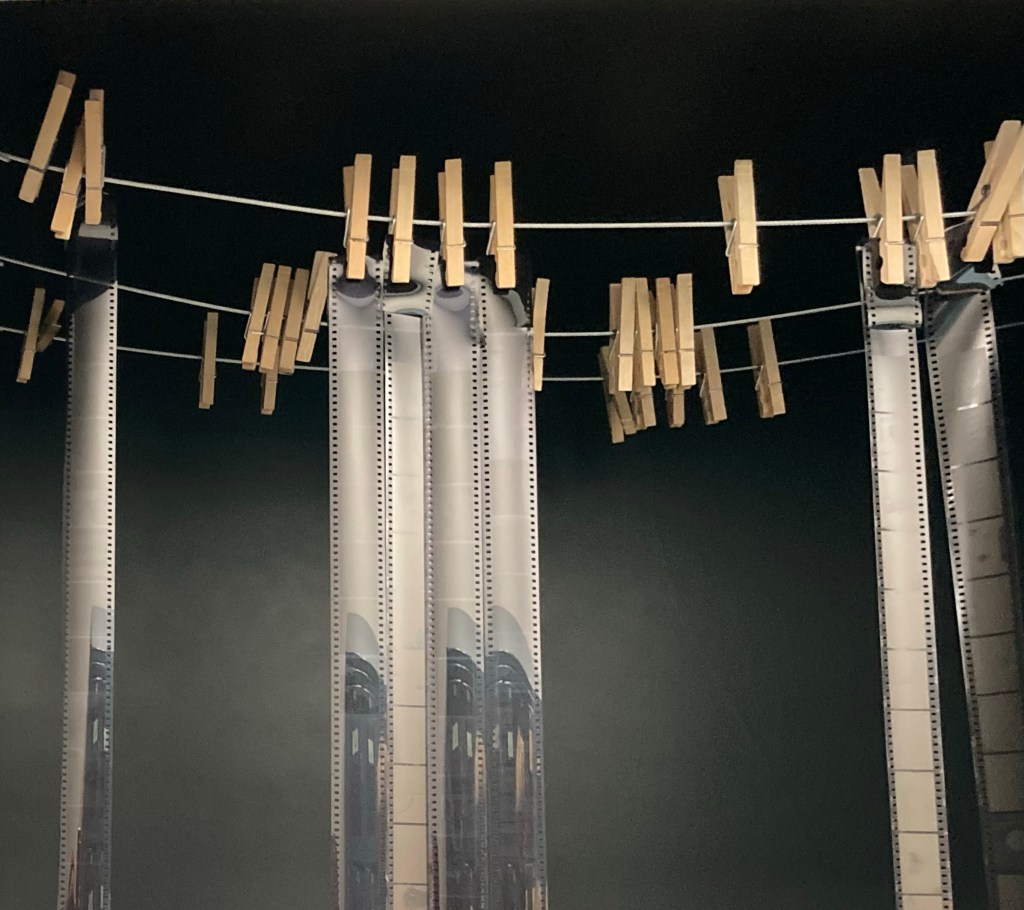
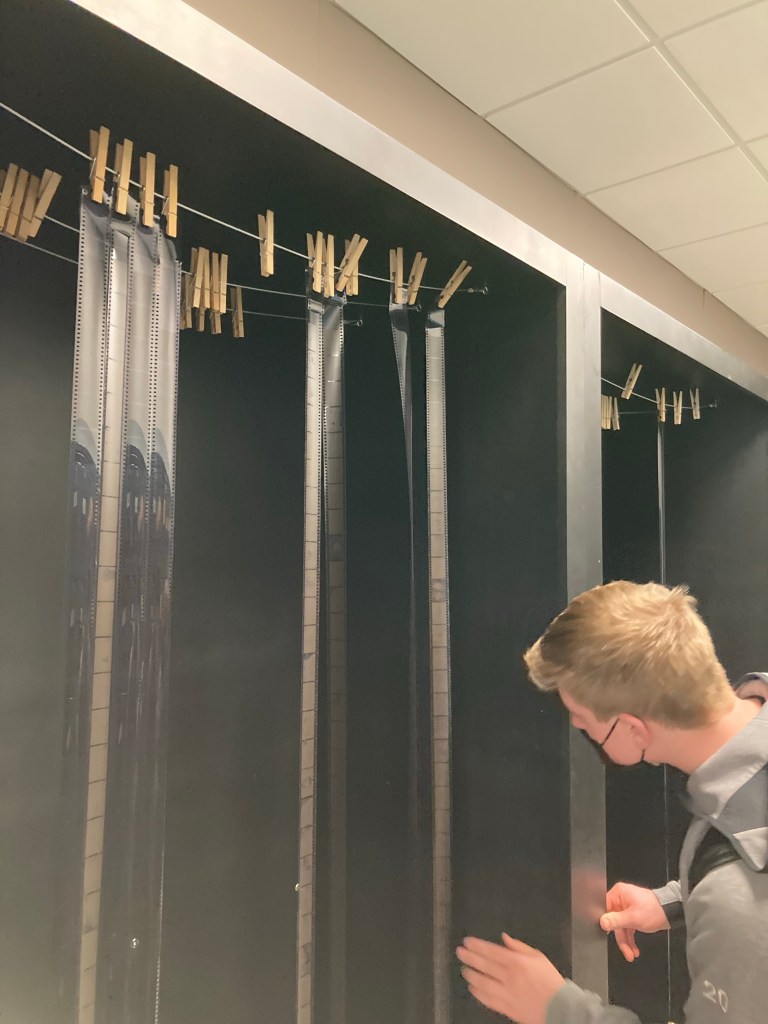
I enjoy subbing for the photography classes.


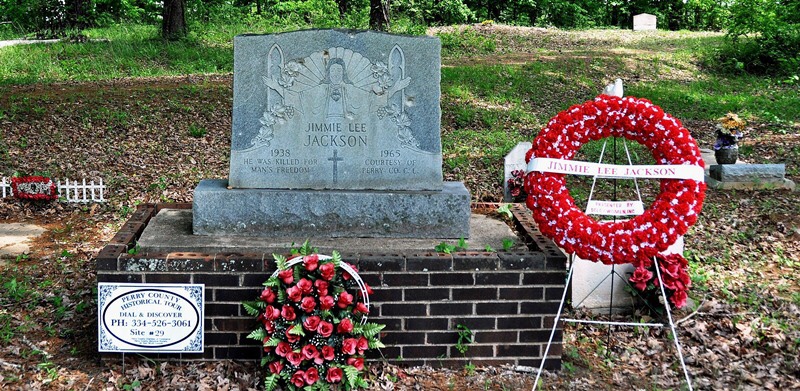
February 18, 1965 ~ Jimmie Lee Jackson, a 26-year-old Black man, was shot by a white cop after police attacked a peaceful civil rights protest in Marion, Alabama and died eight days later.

February 17, 1947 ~ In Greenville, South Carolina, a mob of white men lynched Willie Earle, a 24-year-old black man. The mob slashed chunks of flesh from his body before blasting him with a shotgun; the 31 men charged were all acquitted.
February 16, 1847 ~ Missouri outlawed the education of black people and the immigration of free black people into the state.
February 15, 1804 ~ New Jersey passed gradual emancipation act, becoming the last Northern state to abolish slavery.

February 14, 1945 ~ All-white grand jury refused to indict any of the six white med accused of raping Mrs. Recy Taylor in Abbeville, Alabama; they are never prosecuted.
I am taking Audio storytelling for journalists: How to tell stories on podcasts, voice assistants, social audio, and beyond” from the Knight Center for Journalism in the Americas at the University of Texas at Austin. These are my notes from the third week.
How has your idea for an audio project evolved over the course?
A successful audio project/podcast takes planning, strategy, and thought long before you pick up the mic. Pre-production and planning are so important for creating a successful project. Each step of the process requires its own planning whether it is developing a plan for finding your audience or creating a game plan for each interview.

Recipe for story success:
There is no shame in going back to the drawing board. Honestly, this is frequently part of the process of creating a great audio project.
Whether you are doing audio or any other type of journalism or media production, thinking through who your audience is and how you can serve them is so crucial for creating a successful work.
Audio storytelling is a skill (and multiple skills within skills). You can learn to do it. It takes practice. Then you have to go out into the world and do it. You’ll make mistakes and you’ll learn from those mistakes. Create the Anne Lamott style “shitty first draft” and then through a series of audio rough drafts, rewrites, and edits you will make it compelling.
To build an audience: create social media pages to get the word out. Partner with anyone that has a roster of contacts Create social media polls and other posts to get feedback from listeners. Do live events to get more people to listen. Write to journalists who cover podcasts and see if they would interview me or write an article about the podcast.
Plan on project appearing on the various podcast platforms, including Apple and Spotify. Make supplementary materials to keep viewers engaged (like swag for answering a call to action or contests). Need a logo and a social media page that posts images from recording sessions and of experts who would appear during episodes.
Social audio: Clubhouse, Twitter Spaces, Spotify greenroom, Facebook live audio rooms, TikTok live.
It is really, really hard work to launch a successful podcast, and frankly, it gets harder by the day to build an audience. There are about two million podcasts out there.
You really do have to have a strategy for building an audience, and that means having a marketing strategy.
To create a successful audio project, you need to know who you’re trying to reach, who is your intended audience, know why they care about your project, need to have a clear focus,
Map out three months’ worth of shows. . If it’s a limited run, map them all out, and if it’s an ongoing project, at least know what your first few months would look like. When you pitch a project, also try to put together a pilot, if you possibly can. It really helps when the people you’re pitching can hear what it is that you can do and actually hear your vision.
Do a market analysis.
Start is by telling small audio stories, maybe by using Twitter spaces or even clubhouse. This is a great way to hone your technique. Test out ideas and build a following for when you do launch something like a podcast.
Be the expertise in how to tell the story.
People who are really new to audio and don’t have a clear understanding of what it takes to make something.
Best things come from collaboration.
SHORTFORM AUDIO – shareable, short audio clips.
participatory audio experience
 Relentless Robin