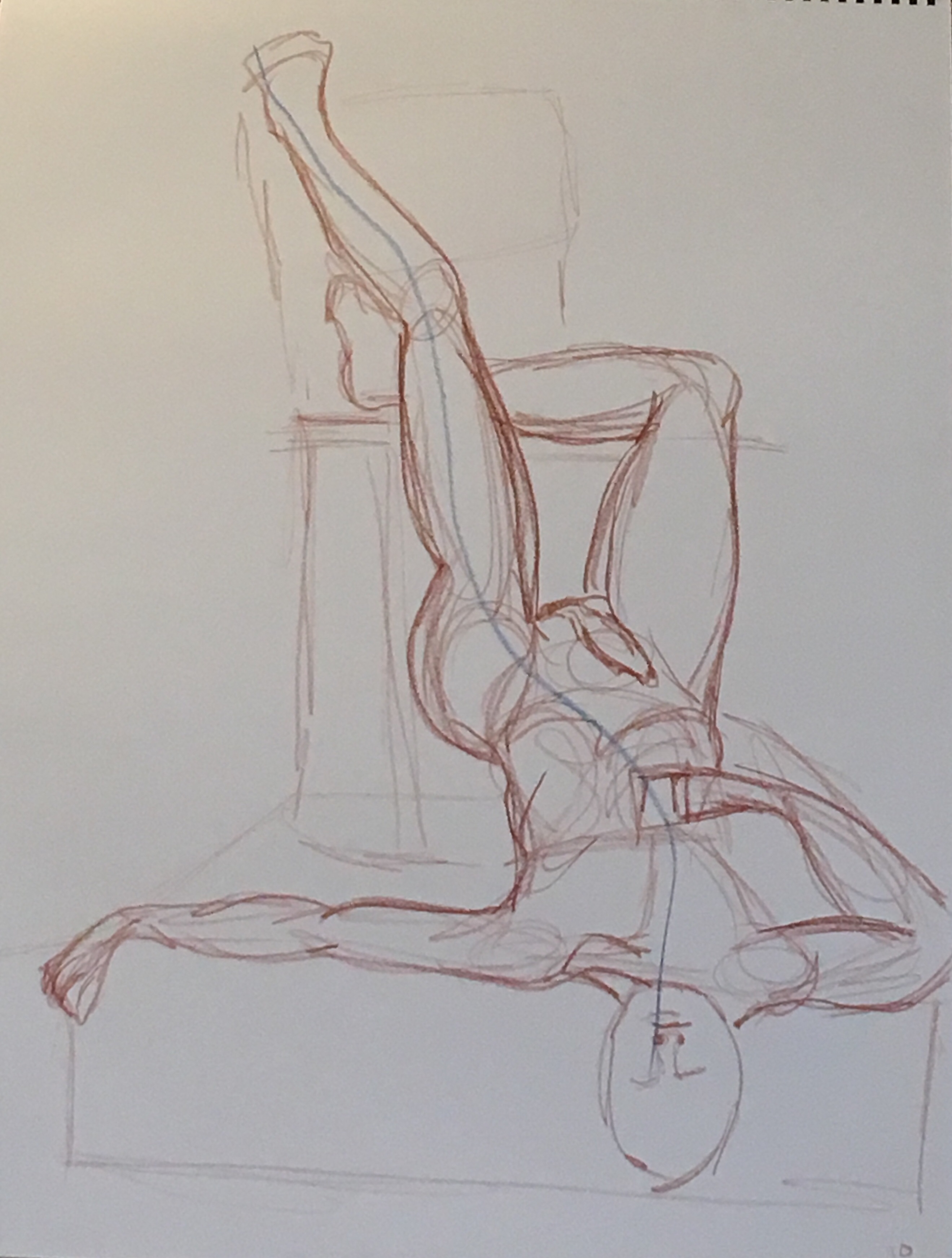
This upside down position was my favorite pose of the session.




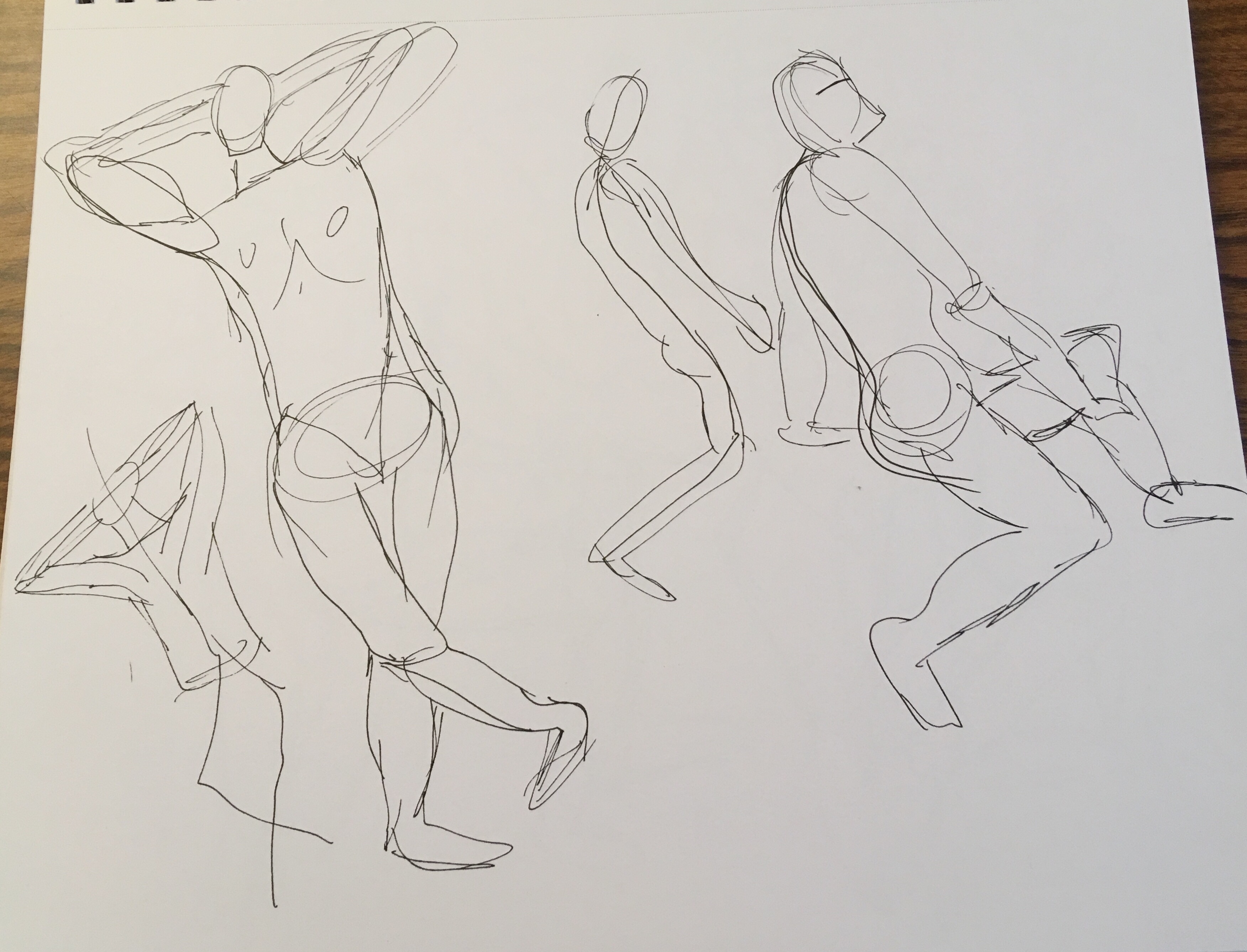


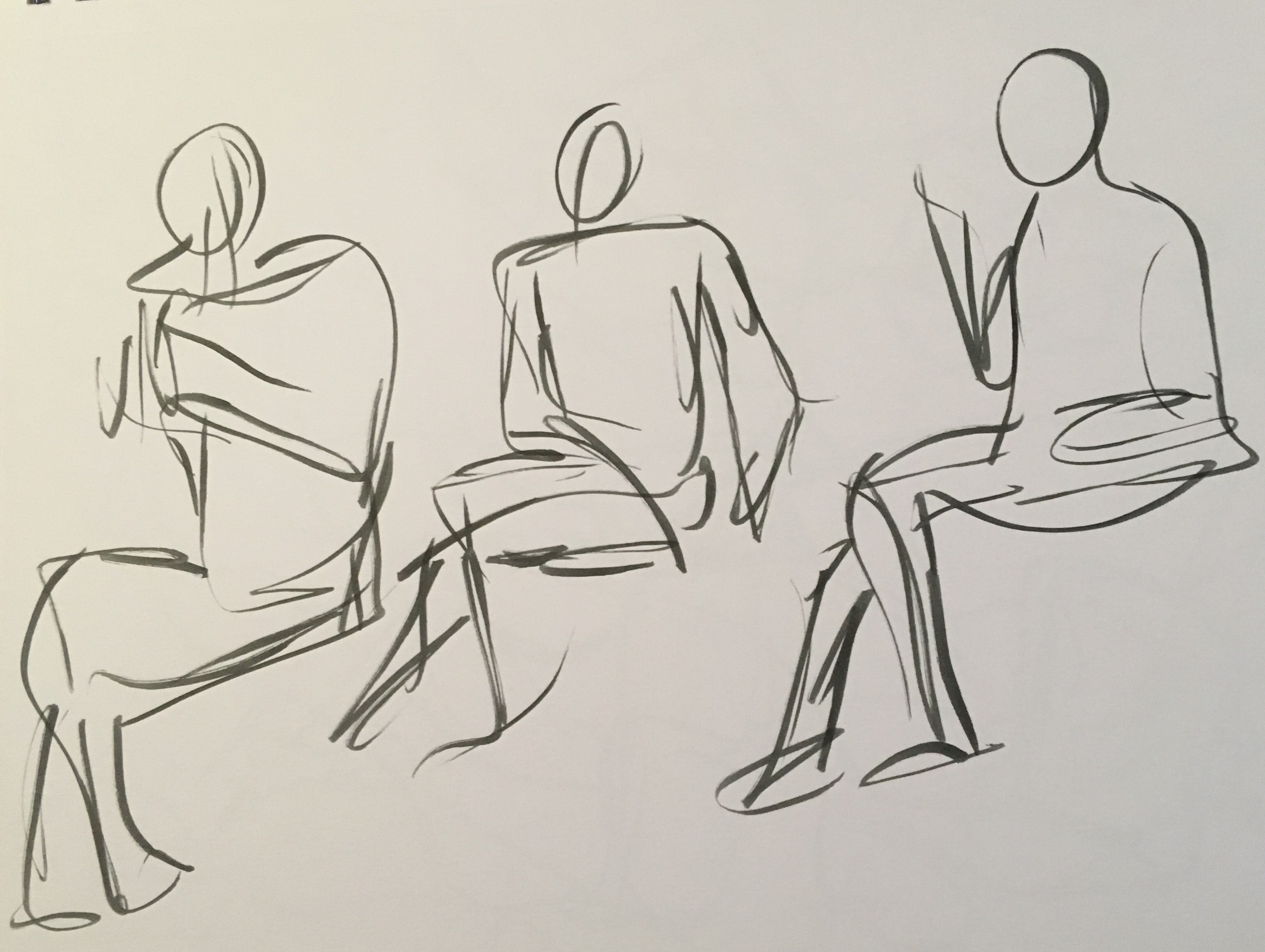

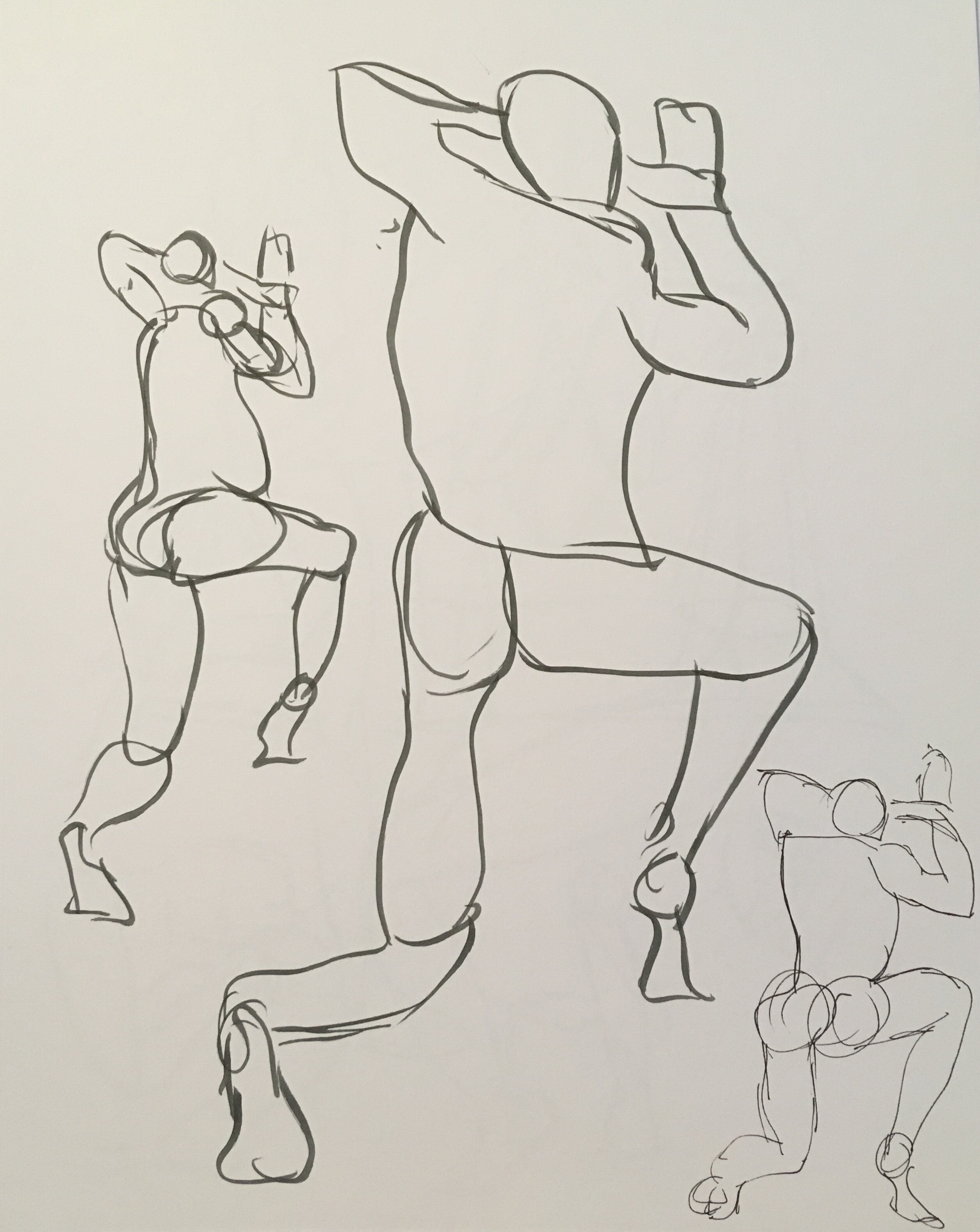


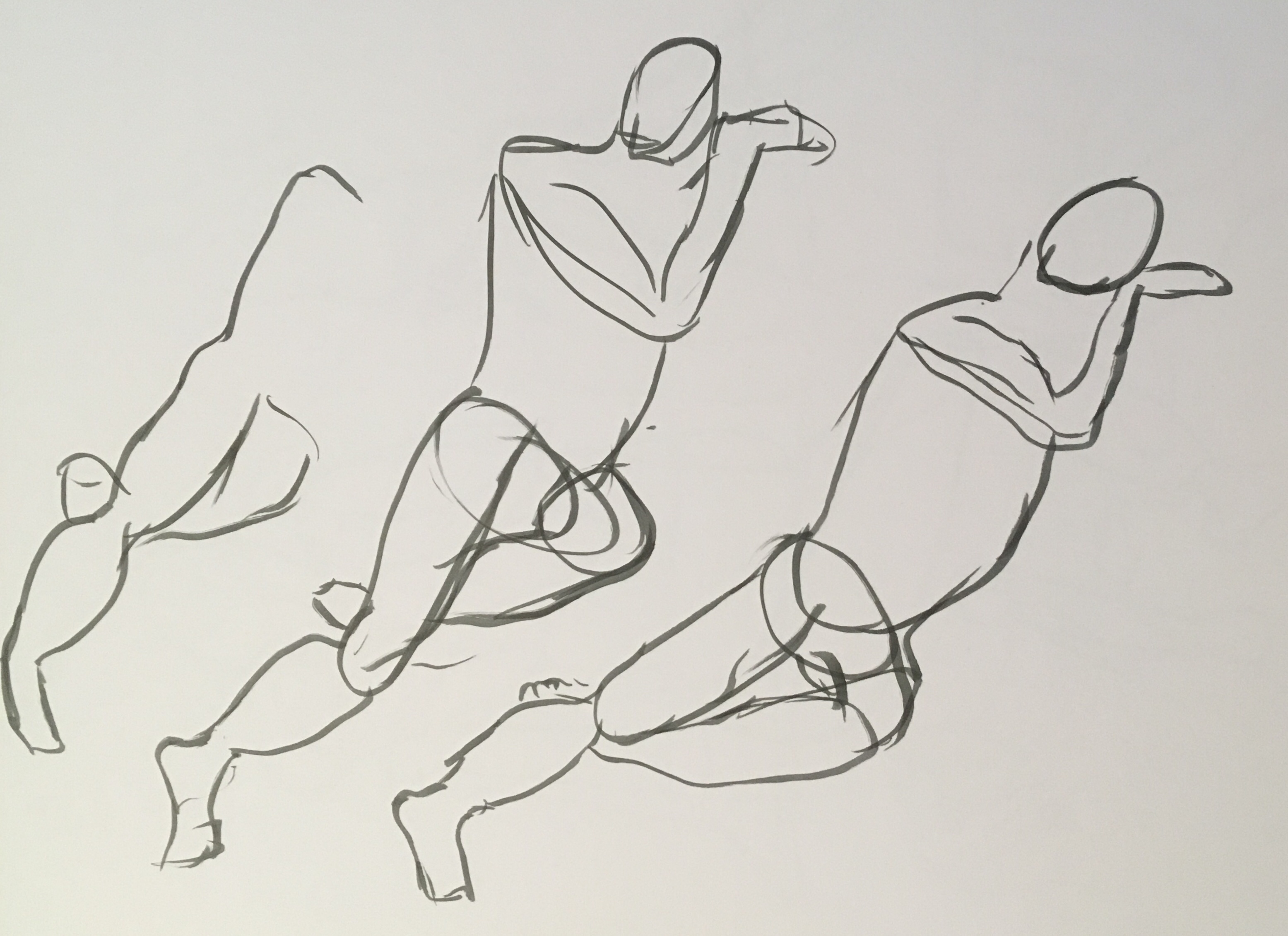
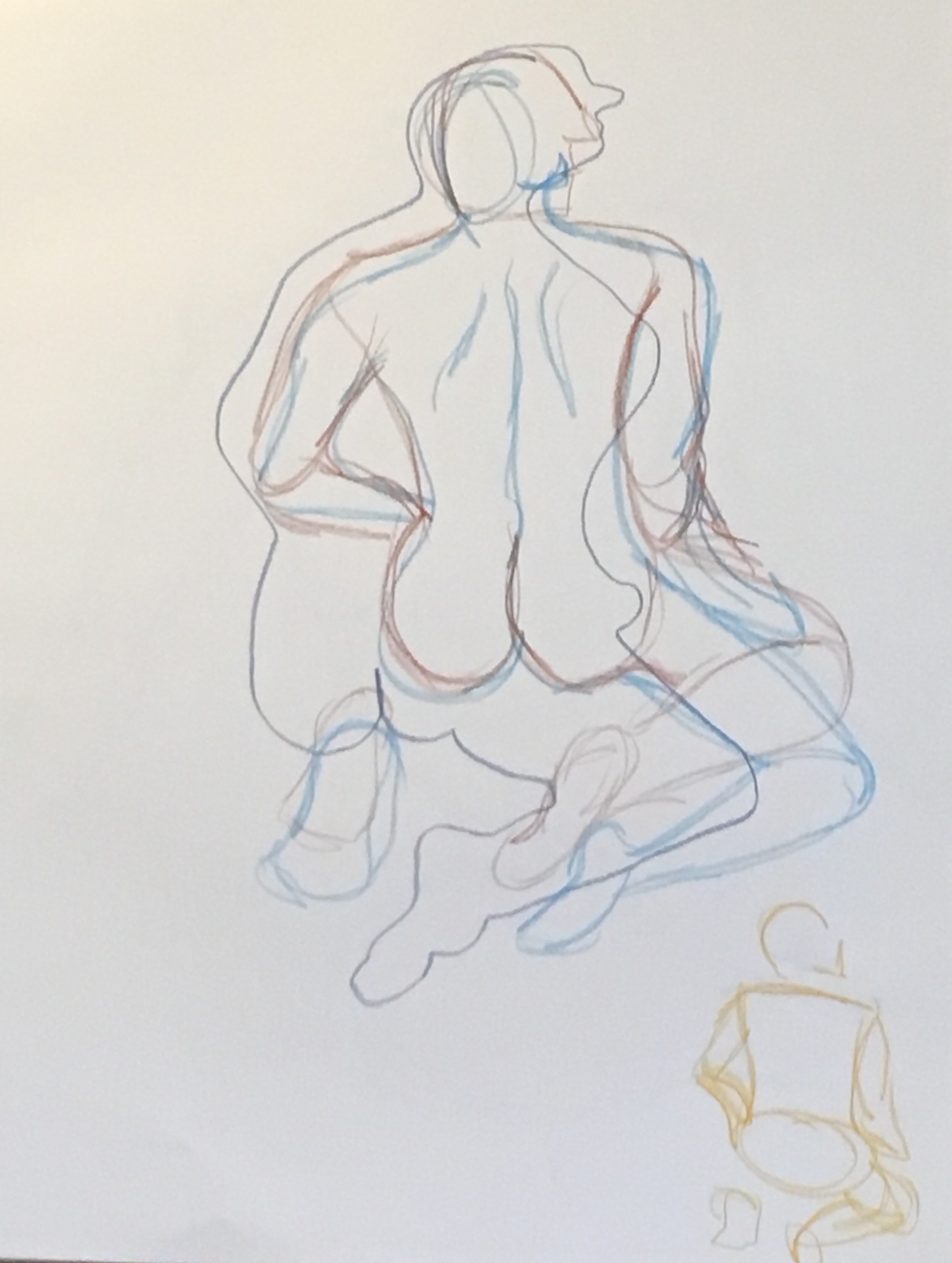
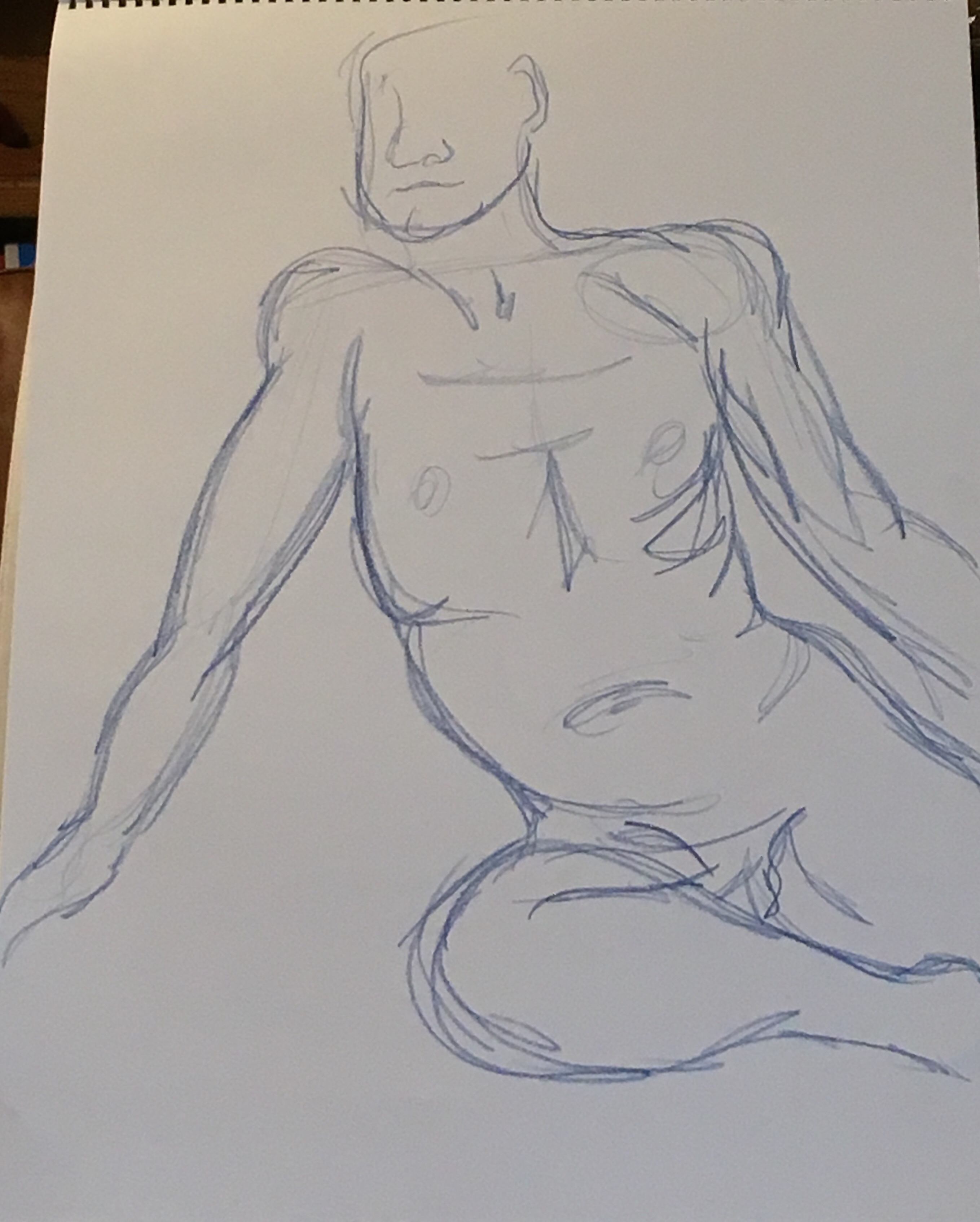


This upside down position was my favorite pose of the session.
Graffiti is the most honest art form available. A wall has always been the best place to publish your work. — Robin “Banksy” Cunningham

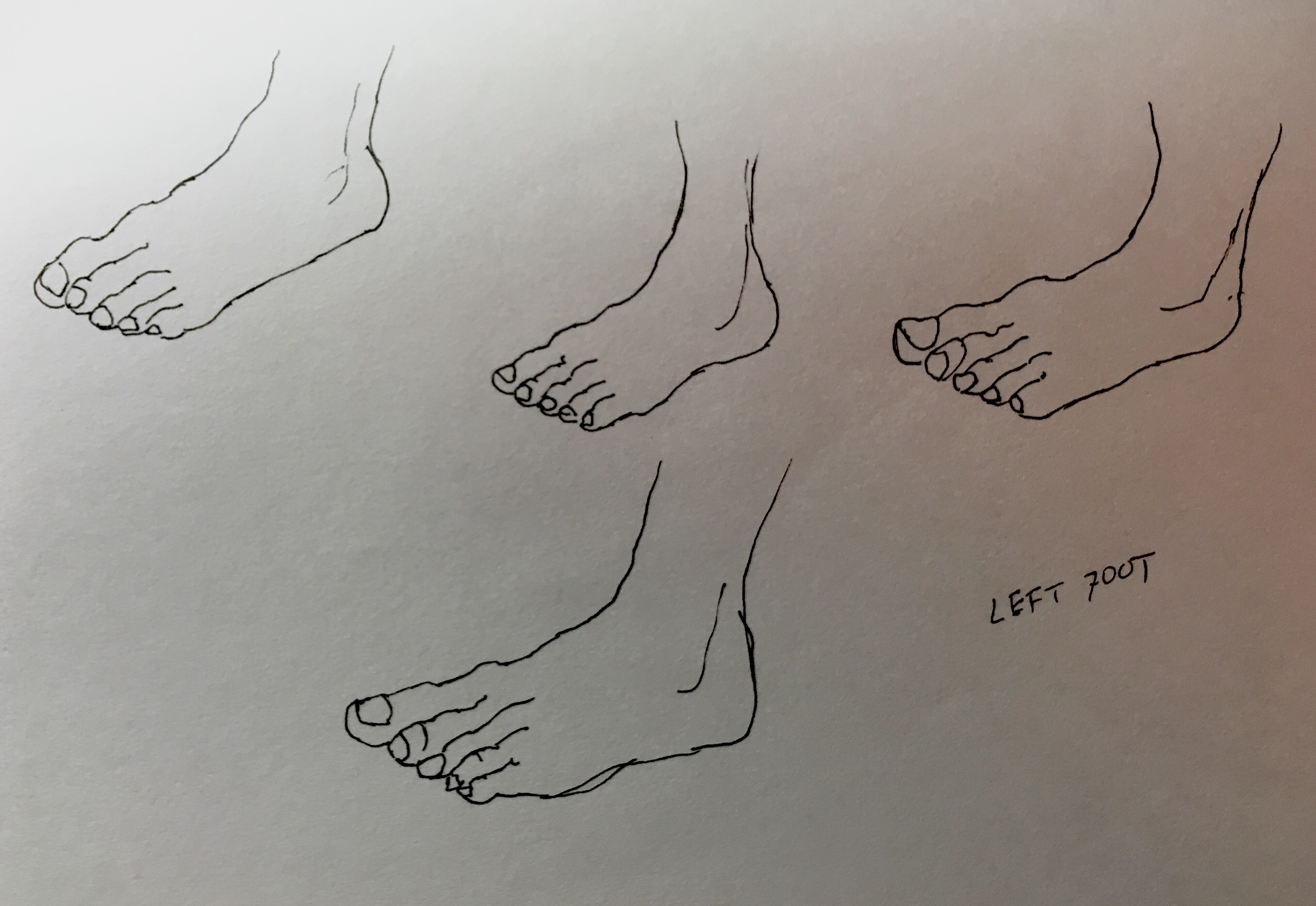
Drawing is thinking.
Every drawing is a learning experience.
Just work and your ‘style’ will emerge.
There are no shortcuts to a good drawing. Making one involves work.
A bit of perseverance is better than talent.
If I draw every day, I will get where I want to go.
Wonky is good. And also, finished is better than perfection.
Just chatting with another person who has the same interests and passions as yourself can give you a boost.
Copying somebody else’s work as an exercise is a way to grow. Give the original artist (or photographer) a credit.
You can learn something from anyone’s drawing.
Redraw your old work to see how much you improved.
Sketch as big as possible, especially when doing portraits. Small sketches amplify mistakes.
Every line you draw in a person’s face makes them older.
Hands can be as expressive as a face.
Begin any life drawing with a blind contour. It helps switch off the voices (inner critics). Plus, it lets you really look at your subject.
‘Slow seeing’ helps one to sketch fast. Concentrate on SEEING and do not let the brain get in the way.
Then start again and build the drawing from exaggerated, expressive gestures and add volume.

Draw 100s of fast and furious portraits, from the television or movies in order to become comfortable with drawing faces and people.
You never really get to know a subject until you’ve drawn it about 100 times.
You can quickly build confidence through practice.
Collage is the best way to cover all of your mistakes.
When you are on location, draw contours and outlines. Finish the drawings with details and color at home.
Consider leaving the second page of each sketch book blank to add and illustrate an important quote.
Develop the ability to draw evenly converging lines. This is one of the most important drawing skills to have — as well as being able to review what is on the page and see if it is consistent.
If you are feeling blocked creatively, draw daily using short timed prompts.
Try sketching while standing up.
Sometimes in order to continue improving in one area of art, you need to explore other areas.

These bugs were drawn 1 or 2 daily from reference photos or imagination during January 2020.
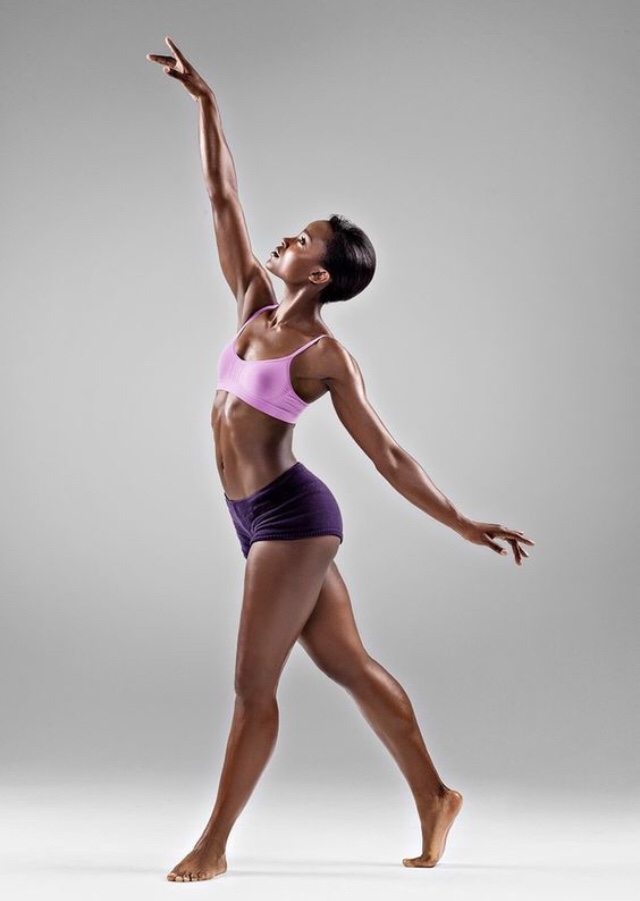
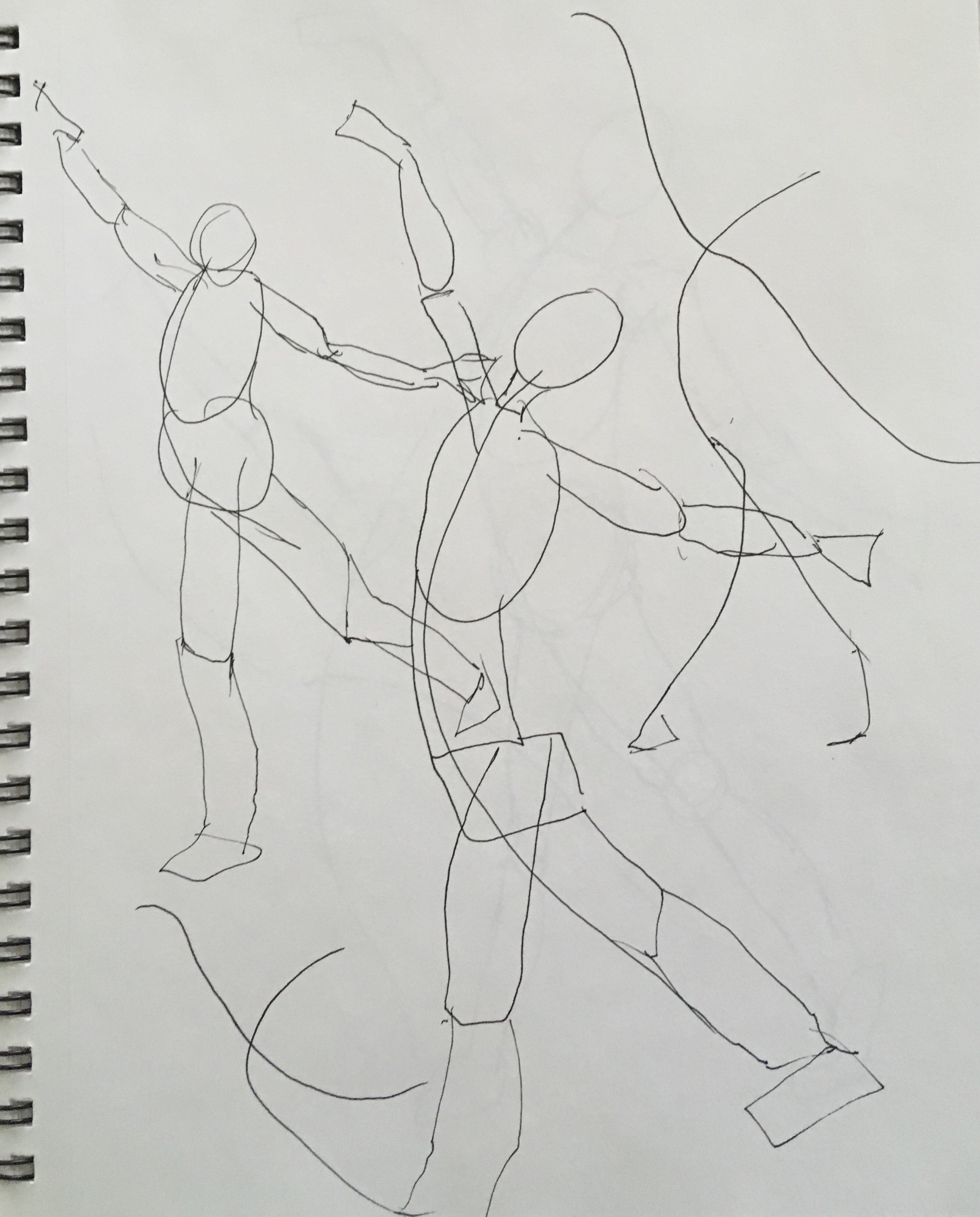
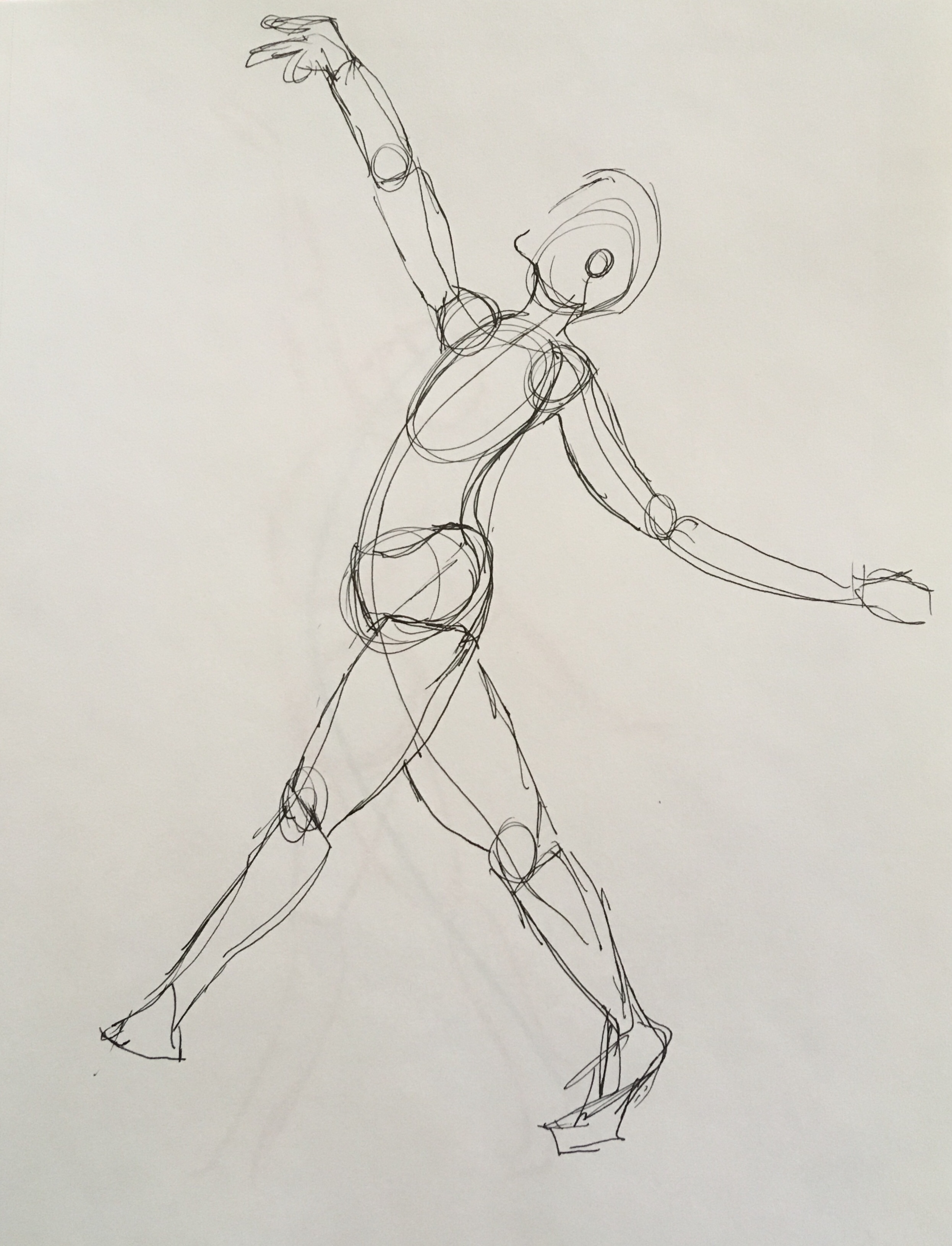

My Sketchbook School mentor introduced me a different way to do life drawing.
She notice that I am focusing a lot on contour, and not on the overall volume and movement of the figure. She told me that true gesture drawing captures the movement, or “story” of the pose. She showed me that I can convey what the figure is doing with just a couple lines, instead of drawing the outline/contour.
Adding volume is extremely important also important, she said.
She starts drawing the figure by laying out the basic shapes and proportions, before she even thinks about contour. In her opinion, contour should be last.
Her process is:
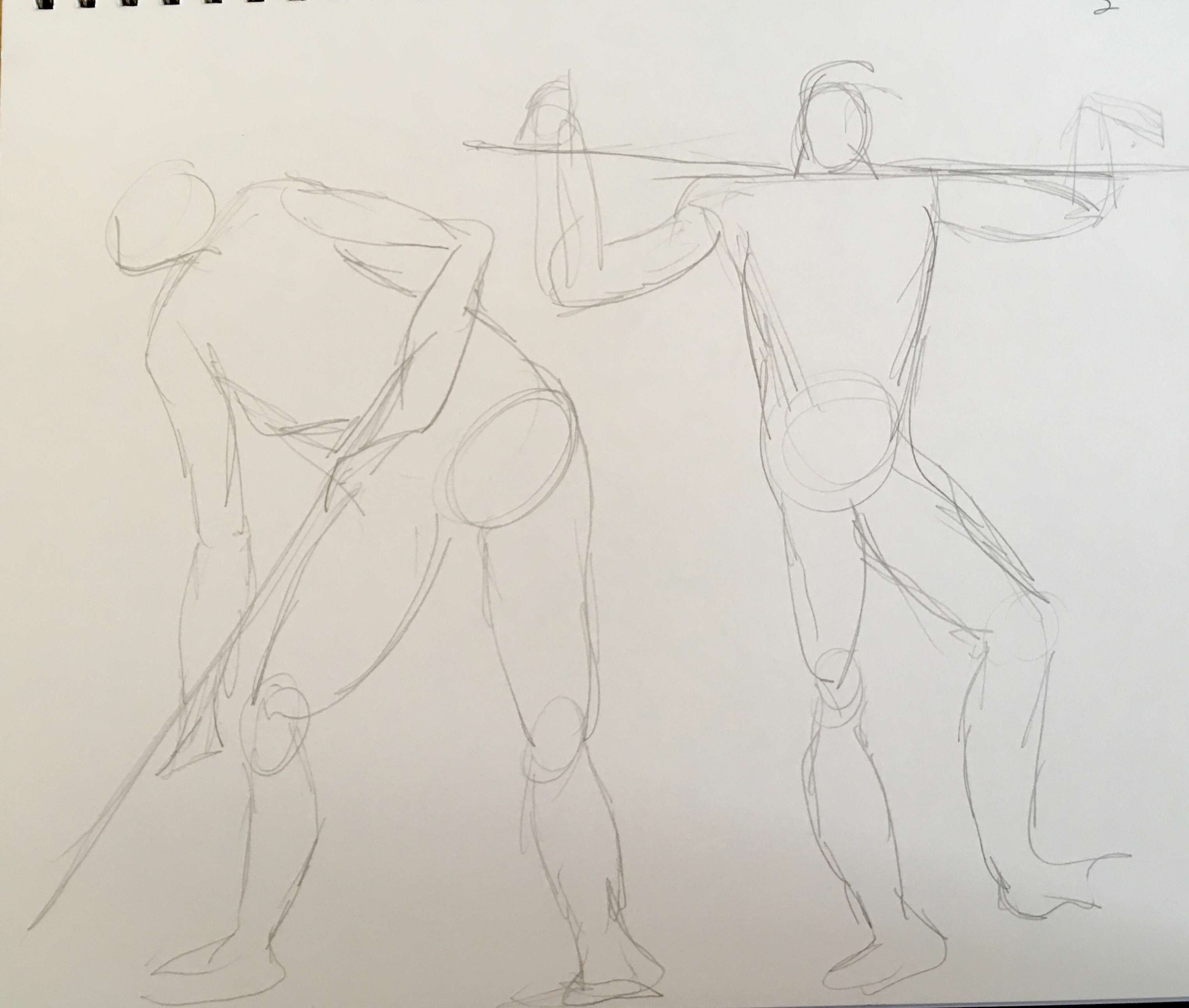
1. Focus on the overall story of the pose, or “line of action”.
2. Build all the basic shapes off that line. The rib cage and pelvis are ovals. Each section of the limbs is a cylinder. The head is a sphere with a triangle for the jaw.
I will work on this at life drawing this week.


A gesture drawing is a laying in of the action, form, and pose of a model/figure. Typical situations involve an artist drawing a series of poses taken by a model in a short amount of time, often as little as 10 seconds, or as long as 5 minutes.
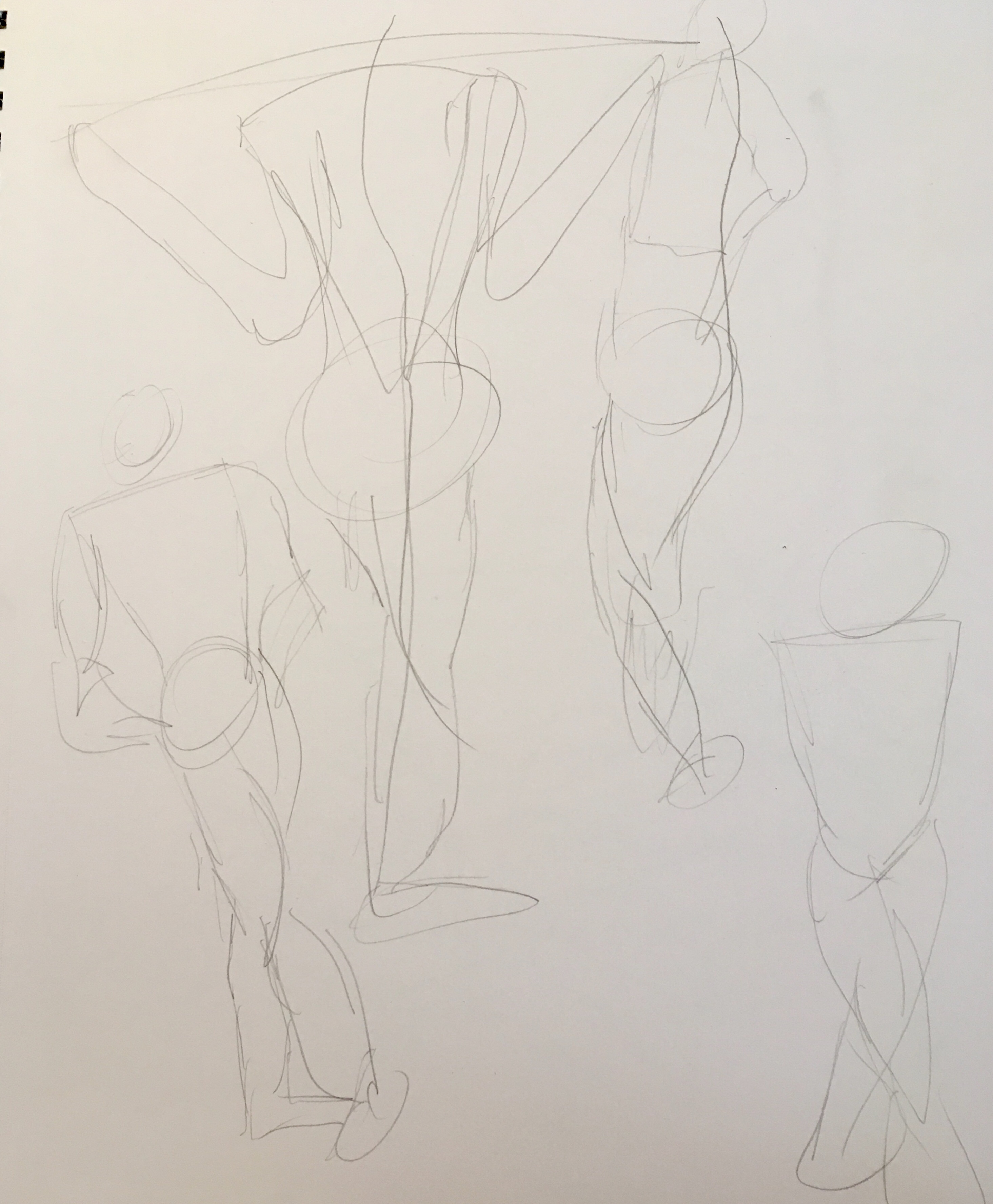
This is my Mentors line of action.

My Mentor suggests that I really push the angles to exaggerate the pose. The two standing figures probably have a sway in their back, starting at the head and doing an s-curve to the pelvis. She drew a quick example over the figure on the lower left to show how I can push and exaggerate, but still capture the pose. She suggested that exaggeration and movement will help my figures look less stiff.

Continual Line Contour with a pen is the best technique I have found to learn to slow down and look.


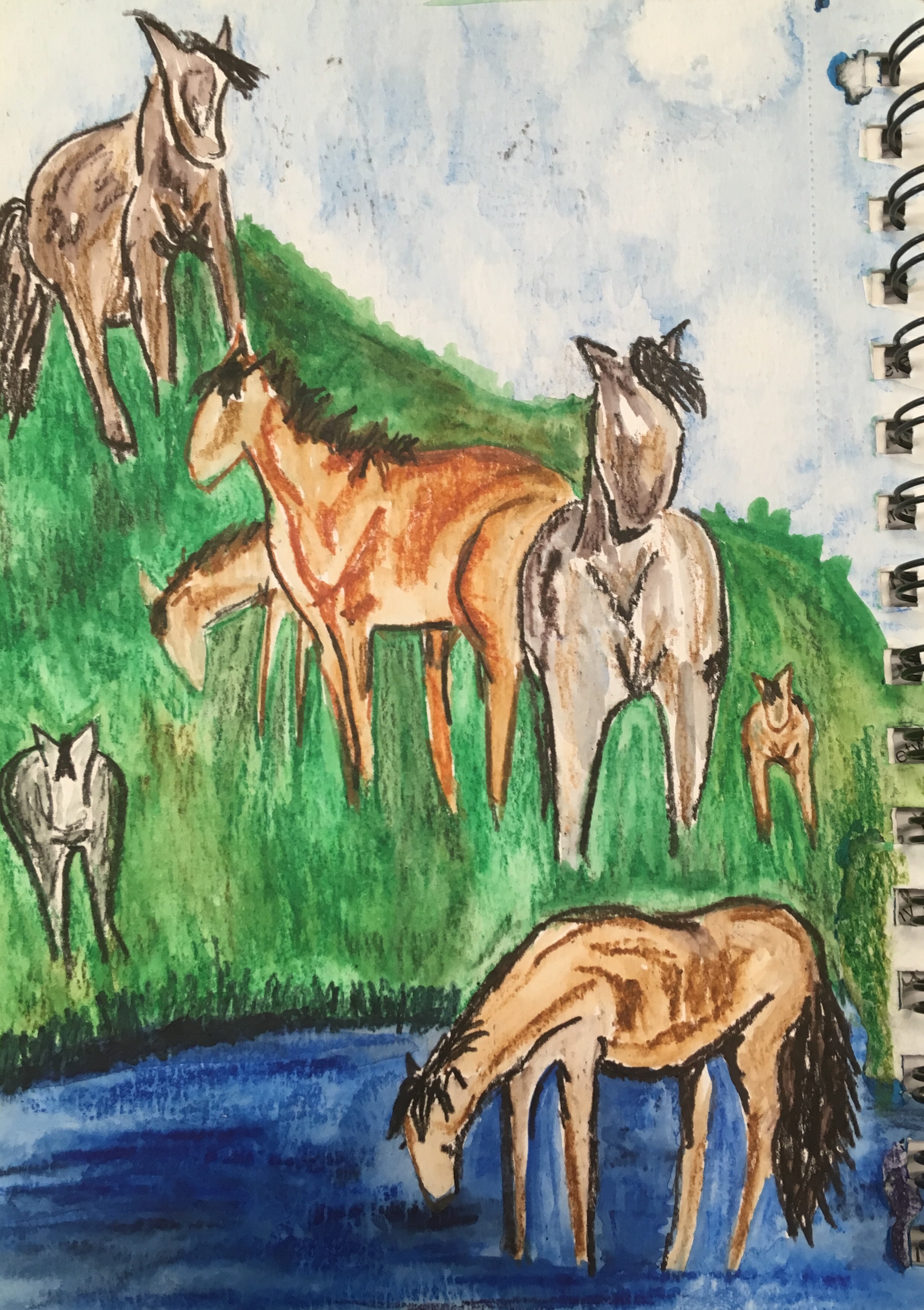
 Relentless Robin